

Buying preowned golf clubs has never been smarter than it is right now. With manufacturers releasing new models every 12-18 months, last season’s premium equipment becomes available at 30-50% discounts while still offering nearly identical performance. The reality is that a three-year-old driver from a top brand will vastly outperform a brand-new budget club, making the used market a goldmine for value-conscious golfers.
The key to successful preowned shopping is knowing which models hold their performance value and where to find them in excellent condition. Let’s break down the best used golf club deals available in 2026 and help you build a bag that performs like it cost twice as much.
Why Preowned Clubs Make Sense in 2026
Golf club technology has reached a plateau where year-over-year improvements are measured in yards, not leaps. A 2023 TaylorMade Stealth driver, for example, performs within 2-3 yards of the latest 2026 models for most golfers. The difference? You’ll pay $599 for the new version versus $250-300 for the preowned Stealth in “very good” condition.
The preowned market has also become more transparent and trustworthy. Major retailers like Callaway Preowned, 2nd Swing, and Global Golf now offer detailed condition grading, authenticity guarantees, and return policies that rival buying new. You’re not taking a gamble anymore; you’re making a smart financial decision backed by legitimate consumer protections.
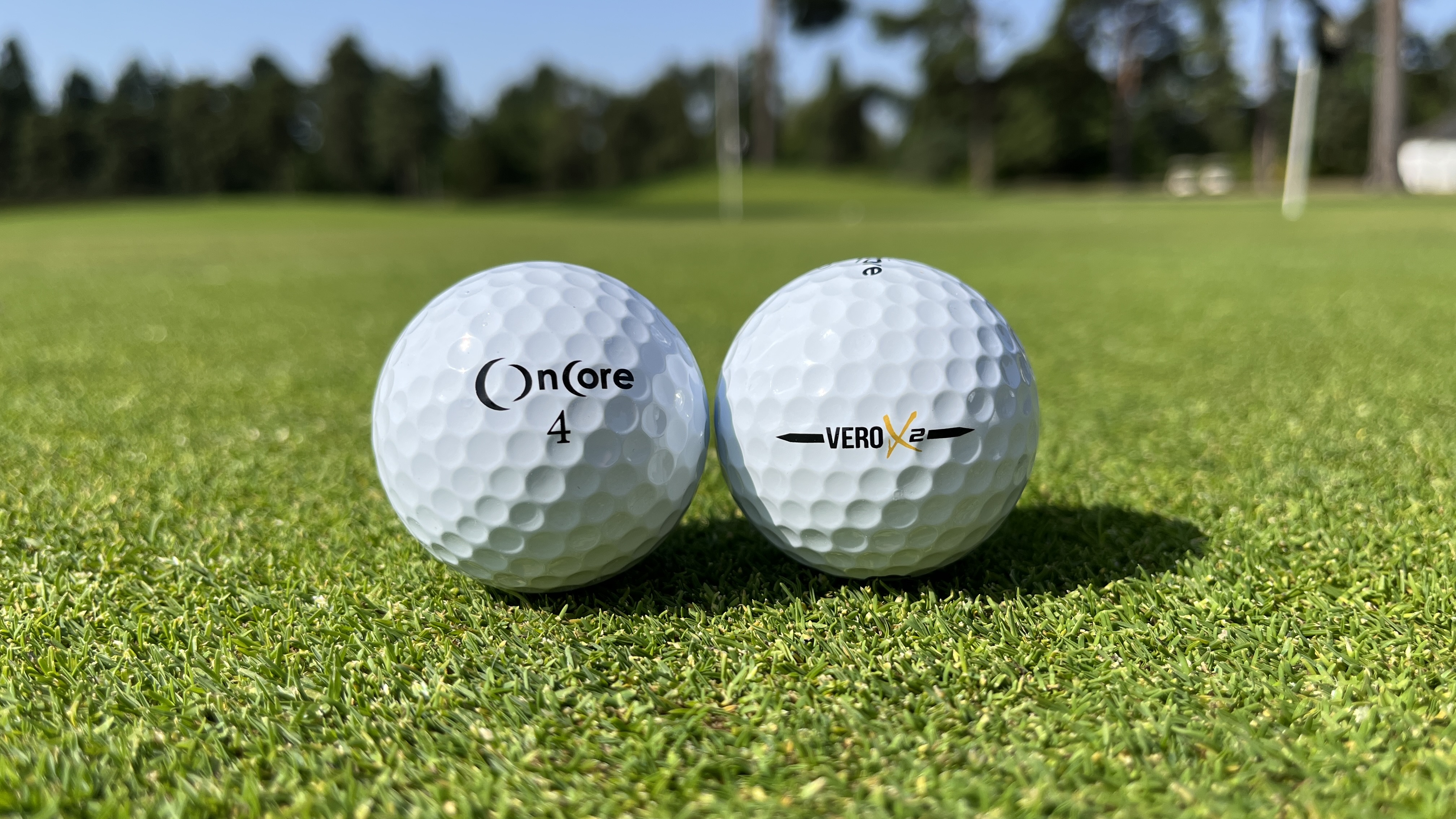
Understanding where you’ll see the biggest savings versus performance is crucial. Similar to choosing between premium vs budget golf balls, drivers and fairway woods depreciate fastest but retain performance longest. Irons hold their value slightly better but also maintain playability for years. Wedges are the one category where buying newer makes more sense, as grooves wear down and affect spin rates after 50-75 rounds.
Top Preowned Driver Picks for 2026
The TaylorMade Stealth 2 (2023) remains one of the best value propositions in the preowned driver market. Originally retailing for $579, you can find these in excellent condition for $275-325. The carbon face technology delivers explosive ball speed, and the low-forward CG promotes a mid-launch, low-spin flight that most players can benefit from.
Before you start shopping for used clubs, it’s helpful to understand what really matters when selecting equipment.
This video covers essential considerations that apply whether you’re buying new or preowned, helping you focus on the specs that actually impact your game rather than just chasing brand names.
Callaway’s Rogue ST Max (2022) is another standout, especially for mid-to-high handicappers seeking forgiveness. These drivers feature AI-designed jailbreak technology and tungsten weighting for incredible stability on off-center hits. Preowned prices hover around $225-275, representing nearly 60% savings from the original $549 MSRP.
For players with faster swing speeds above 105 mph, the Titleist TSR3 (2023) offers adjustability and workability at $350-400 used. While that’s a higher price point, the SureFit hosel system and adjustable weights let you dial in your exact ball flight, making it worth the investment if you have the speed to maximize its potential.
Best Used Irons That Still Perform
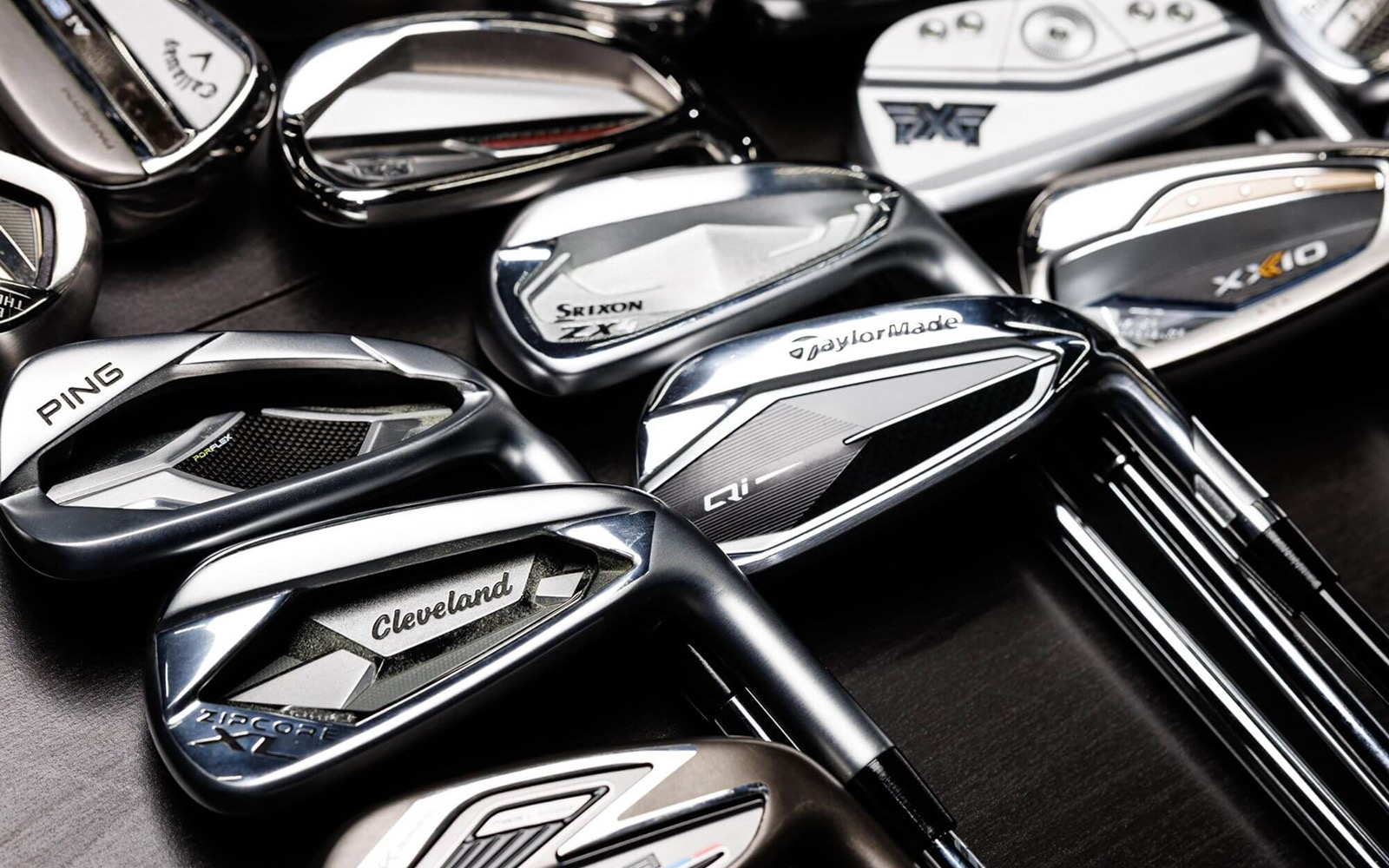
Finding quality preowned irons requires understanding the difference between game-improvement and player’s distance irons. Game-improvement sets like the TaylorMade Stealth HD or Callaway Rogue ST Max tend to show less visible wear and maintain performance longer because they’re designed with thicker faces and more durable materials.
The Ping G425 iron set (2021) represents exceptional value in the $500-650 range for a 5-PW set. Ping’s hydropearl chrome finish holds up remarkably well, and the perimeter weighting provides forgiveness that doesn’t sacrifice distance. These irons were originally $1,000+ and still deliver consistent gapping and trajectory control that rivals anything released since.
For better players seeking a sleeker profile, the TaylorMade P790 (2021) offers forged construction with hollow-body distance in the $600-750 range used. The SpeedFoam technology maintains ball speed across the face, and the compact shape appeals to single-digit handicappers who want workability without sacrificing help on mishits.
Titleist’s T300 (2021) irons sit in a similar category at $650-800 preowned. Max Impact technology creates impressive ball speeds for a mid-size iron, and the tungsten weighting in the heel and toe produces a higher MOI than many game-improvement models. If you’re transitioning from cavity backs to something more refined, these represent the ideal middle ground.
Where to Find the Best Preowned Deals
Callaway Preowned deserves its reputation as the gold standard for certified preowned equipment. Their grading system is accurate, with “like new” clubs often looking unplayed and “average” condition still being perfectly playable. Watch for their frequent 20-30% off sales, which can drop a $300 driver to $210-240.
When shopping online for used clubs, knowing where to look and what to expect can save you significant money.
This guide walks through the major online retailers and what makes each one unique, helping you understand the grading systems and return policies before you commit to a purchase.
2nd Swing offers the largest inventory and detailed TradeIn value calculators that show exactly what your current clubs are worth. Their condition descriptions include multiple photos per club, and the 30-day playability guarantee means you can test clubs on the course before fully committing. Trade-in credits also stack with sales, creating opportunities to upgrade your entire bag for less.
Global Golf specializes in individual club purchases, making them ideal when you need to replace a single iron or add a specific wedge. Their “value” condition clubs often show cosmetic wear but perform identically to better grades at 20-30% lower prices. If you’re building a mixed set from different generations, this flexibility becomes invaluable.
Local golf shops with trade-in programs offer another avenue worth exploring. You’ll see and feel clubs before buying, and many shops will let you hit demos before purchasing preowned versions. The trade-off is smaller inventory and potentially higher prices, but the personalized fitting service can be worth the premium.
Fairway Woods and Hybrids Worth Buying Used
Fairway woods and hybrids represent some of the best value in the preowned market because they typically see less use than drivers and show minimal performance degradation. The TaylorMade Stealth (2022) 3-wood sells for $140-180 used versus $329 new, delivering the same high-launch, low-spin profile that made it a Tour favorite.
Callaway’s Rogue ST Max fairway woods ($120-160 preowned) excel for players who struggle with consistency from the turf. The AI-designed face optimizes ball speed on low strikes, while the jailbreak system stiffens the body for more energy transfer. Finding these in “very good” condition is common since many golfers never truly wear out fairway woods.
For hybrids, the Ping G425 ($90-120 per club) offers remarkable forgiveness and a draw bias that helps square the face at impact. The maraging steel face flexes efficiently across a wide area, meaning your mishits still travel surprisingly far and land on target. At roughly half the $229 original price, these hybrids make replacing long irons a no-brainer.
TaylorMade’s Stealth Rescue hybrids ($110-140) feature the same V Steel sole design that’s been producing clean contact for decades, combined with modern face technology. The adjustable hosel lets you fine-tune loft and lie, effectively giving you multiple club options in one purchase.
Wedge and Putter Considerations
Wedges require more scrutiny when buying preowned because groove wear directly impacts spin performance, and understanding how to choose the right wedge bounce and grind becomes especially important when evaluating used options. Look for wedges from the past 1-2 seasons maximum, and avoid anything showing visible groove wear or rust in the grooves. A $50 used wedge with worn grooves will cost you strokes around the green, making new wedges the better investment at $100-140.
Sometimes the best deals on used equipment come from unexpected places, like pro shops with trade-in inventory.
This video demonstrates what kinds of bargains exist when you’re willing to hunt through available inventory, showing that patience and knowledge can lead to incredible finds on premium equipment.
Putters, however, are ideal preowned purchases since they don’t degrade and styles remain relevant for years. The Odyssey White Hot OG (2022) sells for $80-110 used versus $179 new, delivering the same soft feel and consistent roll that’s made the White Hot insert a staple for two decades. Cosmetic blemishes on putters rarely affect performance.
Scotty Cameron putters hold value exceptionally well but can still be found $100-150 below retail if you’re patient. The Newport 2 (2020-2022 models) hover around $250-300 used, offering the tour-proven design and precision milling that justify their reputation. For many golfers, a quality preowned Scotty represents a lifetime putter purchase.

Get the Edge on Every Tournament
AI-powered predictions, data-driven analysis, and expert picks delivered before every PGA Tour event.
Try Golf Agent ProGrading Systems and What to Expect
Understanding retailer grading systems prevents disappointment when your package arrives. “Mint” or “like new” means the club shows no visible use and may still have the original plastic on the grip. These command premium prices but look indistinguishable from new. “Very good” shows minimal use with possible minor bag chatter on the sole, but the face and crown remain pristine.
“Good” condition includes visible wear, scratches on the crown, and definite bag chatter, but no structural issues or major dings. Performance remains unaffected, making this grade the sweet spot for value. “Average” means significant cosmetic wear, potential paint chips, and worn grips, but the club functions perfectly. These often sell 40-50% below “like new” prices while playing identically.
Avoid “poor” or “unacceptable” grades unless you’re buying for aesthetic restoration. These clubs may have cracked faces, separated heads, or bent shafts. The minimal savings rarely justify the risk, especially for drivers and fairway woods where structural integrity affects both performance and safety.
Most major retailers now include multiple photos showing the actual club you’ll receive, not stock images. Zoom in on grooves, faces, and crown areas to assess condition yourself. If photos seem generic or limited, contact customer service for additional images before purchasing.
Building a Complete Preowned Bag Under $1,500
Creating a full bag of preowned clubs for $1,500 requires strategic shopping across categories. Start with a 2022-2023 driver ($250-300), then add a 3-wood ($140-180) and hybrid ($110-140) from the same generation for consistency. That’s $500-620 for three crucial clubs.
Next, invest $600-750 in a quality iron set (5-PW) from brands like Ping, TaylorMade, or Callaway from 2021-2023. Choose game-improvement models if you’re above a 15 handicap, or player’s distance irons if you’re in the single digits. This represents your biggest single investment but also where you’ll see the most improvement.
Add two new wedges (52 and 56 degree) for $200-240 total, since groove performance matters more here than elsewhere. Finish with a preowned putter ($80-150) and you’ve built a complete bag for $1,380-1,760. If you’re over budget, downgrade the driver condition grade or choose irons from 2020-2021 models.
The key is resisting the urge to buy the newest used equipment. A 2021 club in “very good” condition outperforms a 2023 club in “average” condition while costing 20-30% less. Prioritize condition over model year for maximum value.
Red Flags to Avoid When Shopping Used
Beware of deals that seem too good to be true, especially on marketplace platforms like eBay or Facebook. Counterfeit clubs have become increasingly sophisticated, with fake TaylorMade and Callaway drivers flooding online marketplaces. Always check serial numbers against manufacturer databases, and be wary of sellers who refuse to provide close-up photos of the hosel, serial plate, or shaft labels.
Avoid buying clubs with aftermarket shafts unless you know exactly what you’re getting. A re-shafted driver might indicate a previous crack or break, and the replacement shaft may not be properly fitted to the head. Certified preowned retailers inspect for these issues, but private sellers rarely disclose repair history.
Check return policies before purchasing from any source. Reputable retailers offer 14-30 day return windows, while marketplace transactions are often final sale. The few extra dollars spent at a certified retailer versus a Facebook listing buys you peace of mind and recourse if something arrives damaged or misrepresented.
Smart preowned shopping is about patience, knowledge, and knowing where to look. The clubs sitting on certified preowned shelves today performed on Tour just two seasons ago. Your wallet will thank you, and your game won’t know the difference.
Looking for an edge on the PGA Tour? Golf Agent Pro delivers AI-powered insights for every tournament.
Frequently Asked Questions
- Are preowned golf clubs worth buying?
- Yes, preowned golf clubs offer excellent value as 2-3 year old premium models perform within 2-3 yards of new versions while costing 30-50% less. Modern used club retailers provide detailed grading, authenticity guarantees, and return policies that make buying used as safe as buying new.
- Where is the best place to buy used golf clubs?
- The most trusted sources for used golf clubs are Callaway Preowned, 2nd Swing, and Global Golf. These major retailers offer detailed condition grading systems, authenticity guarantees, and customer-friendly return policies that protect your purchase.
- How much can you save buying preowned golf clubs?
- You can typically save 30-50% buying preowned golf clubs compared to new retail prices. For example, a driver that costs $599 new may sell for $250-300 in very good used condition while delivering nearly identical performance.
- What condition should I look for in used golf clubs?
- Look for clubs graded as "very good" or better condition, which will show minimal cosmetic wear while maintaining full performance capabilities. Reputable retailers provide detailed condition descriptions and photos so you know exactly what you're getting.