

Choosing the right wedge isn’t just about loft. The bounce and grind of your wedges might be even more critical to your short game success. If you’ve ever chunked a chip shot on tight lies or bladed one across the green, there’s a good chance your wedge bounce wasn’t matched to the conditions or your swing style.
Understanding wedge bounce and grind options can feel overwhelming with all the numbers and letters stamped on the sole. But once you know what to look for based on where you play most often, selecting the right setup becomes straightforward. Let’s break down exactly how to match your wedges to your game and your course conditions.
What Is Wedge Bounce and Why Does It Matter?
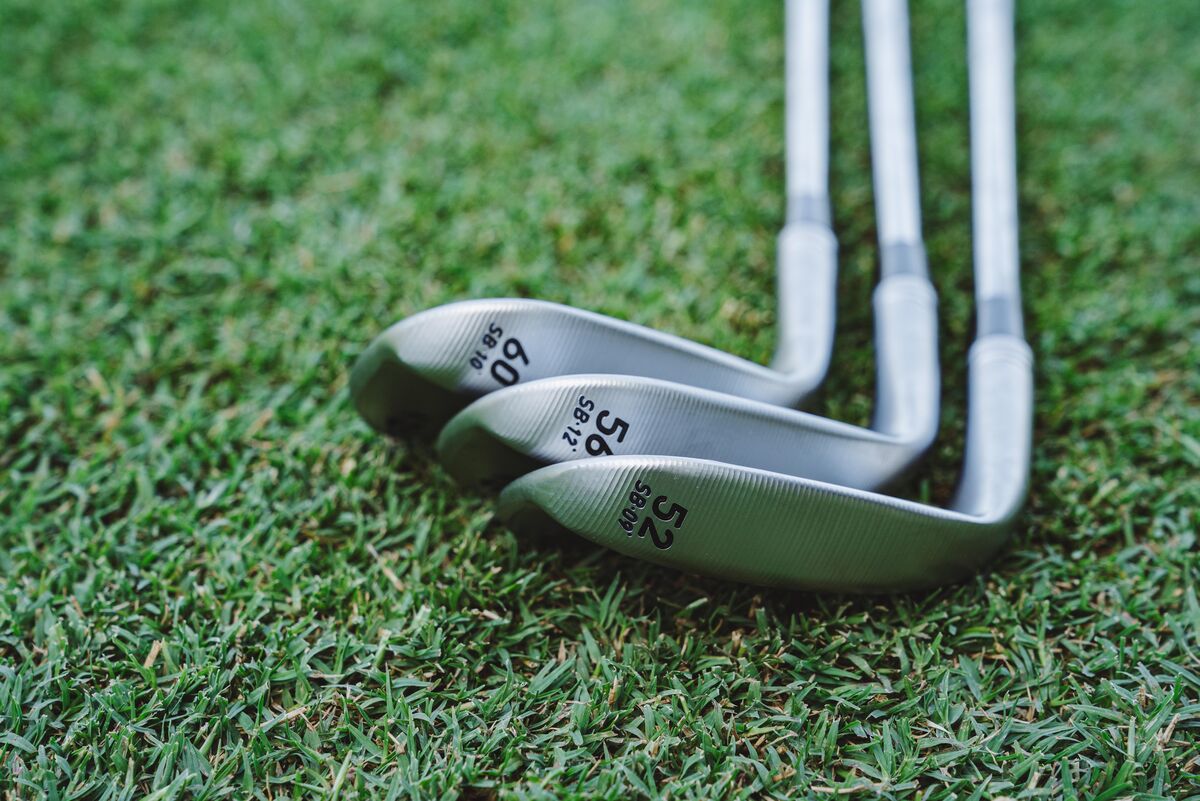
Wedge bounce is the angle between the leading edge and the lowest point of the sole when the shaft is positioned at address. Measured in degrees, bounce typically ranges from 4 degrees (low bounce) to 14 degrees (high bounce) on most wedges.
The bounce angle determines how your wedge interacts with the turf. Higher bounce prevents the leading edge from digging into the ground, making the club “bounce” through impact rather than cutting deep. Lower bounce allows for cleaner contact on tight lies but requires more precision.
Think of bounce as your margin for error. Tour pros hit about 60-65% of greens in regulation, meaning even the best players in the world rely heavily on their wedge game. The right bounce helps you execute those critical up-and-downs consistently.
Before diving into which bounce works where, it helps to see the fundamentals explained clearly.
That visual breakdown shows how bounce affects club performance across different conditions. Now you can see why choosing the right bounce angle isn’t just preference but necessity for consistent results.
Low Bounce Wedges: When and Why to Use Them
Low bounce wedges (4-8 degrees) work best on firm, tight turf conditions where you need the leading edge to get under the ball cleanly. If you play courses in drier climates or during summer months when fairways are hard and fast, low bounce gives you versatility.
These wedges suit players with shallow attack angles who sweep the ball rather than taking deep divots. If you tend to pick the ball cleanly and rarely leave big divots with your irons, low bounce probably matches your swing style naturally.
Low bounce also excels for open-faced shots around the greens. When you need to lay the face wide open for a high flop shot, low bounce prevents the sole from interfering with clean contact. Just remember that low bounce demands precise contact and offers less forgiveness on fat shots.
Mid Bounce: The Versatile Middle Ground
Mid bounce wedges (8-10 degrees) are the Goldilocks option for most amateur golfers. They provide enough forgiveness to prevent digging on slight mishits while still allowing clean contact on firmer lies.
If you play on courses with varying conditions throughout the season, mid bounce adapts well to different turf firmness. These wedges also work for players still developing a consistent attack angle who might sweep some shots and take divots on others.
Many club fitters recommend mid bounce as the default starting point for recreational golfers. You can execute standard chips, pitches, and full swings without constantly adjusting your technique. It’s particularly useful for your gap wedge and sand wedge where you’ll face diverse situations.
High Bounce Wedges: Soft Conditions and Steep Swings
High bounce wedges (10-14 degrees) are designed for soft, fluffy turf conditions and bunkers with deep sand. If you play in the Southeast during summer or anywhere with year-round moisture, high bounce prevents your club from digging excessively.
These wedges also match steep attack angles perfectly. Players who take deeper divots and deliver a descending blow benefit from the extra sole width that high bounce provides. The added bounce essentially widens your margin for error on slightly fat contact.
High bounce is nearly mandatory for lob wedges used primarily around the greens. When you’re hitting delicate shots from 30 yards and in, especially from fluffy lies, that extra bounce helps the club glide through rather than sticking in the turf, complementing the techniques for chipping and pitching like a pro.
Understanding Wedge Grind Options
While bounce is the angle measurement, the grind refers to material removed from the sole to shape how the club interacts with different lies and shot types. Manufacturers use different letters to designate grinds, and understanding these options helps you fine-tune your wedge performance.
Full sole grinds keep maximum surface area for forgiveness and work best on standard shots with square faces. Heel relief grinds remove material from the heel, allowing you to open the face without the heel digging in. Toe relief helps on tight lies and allows the toe to sit lower for creative shot-making.
Understanding how different grinds complement various bounce angles is crucial. The grind essentially customizes how that bounce angle performs in real-world situations rather than just at address position.
Matching Bounce and Grind to Your Swing Style
Your delivery into the ball matters more than you might think when selecting bounce. Players with forward shaft lean at impact need different specs than those who flip their wrists through contact.
If you have a steep angle of attack, you’re adding effective bounce through your swing mechanics. Pairing a naturally steep swing with high bounce can create too much resistance, making it hard to get crisp contact. Conversely, shallow sweepers actually need more bounce because they’re reducing the effective bounce through their swing path.
Your wrist action through impact also affects bounce selection. Players who bow their lead wrist and deliver lots of shaft lean reduce effective bounce, so they can handle higher stamped bounce. Those who release the club earlier and flip slightly should opt for lower bounce to prevent the sole from catching too early.
Course Conditions: The Biggest Factor
Your home course conditions should drive your wedge selection more than any other factor. A 60-degree wedge with 12 degrees of bounce is perfect in Florida but potentially disastrous on firm California courses.
Take inventory of typical conditions where you play most rounds. Is the turf usually soft and receptive, or firm and tight? Are bunkers filled with heavy, wet sand or light, fluffy sand? Does your course have significant green-side rough or mostly tight collar cuts?
Players who travel frequently or play different courses each week might need two different wedge setups. Some tour pros carry an additional wedge in their car specifically for course conditions that differ from their standard setup.

Get the Edge on Every Tournament
AI-powered predictions, data-driven analysis, and expert picks delivered before every PGA Tour event.
Try Golf Agent ProSeasonal Adjustments and Regional Considerations
Even at the same course, optimal bounce changes with seasons. Spring conditions after heavy rain demand different specs than late summer when everything is baked hard.
Northern courses that get lots of rain and have softer turf year-round generally call for higher bounce options. Desert courses and those in arid climates typically require lower bounce for cleaner contact on hard pan lies. Transition seasons like early spring and late fall might warrant mid-bounce versatility.
Some dedicated golfers actually swap wedges seasonally, keeping a summer set and winter set with different bounce configurations. While that’s probably overkill for most amateurs, it shows how much conditions affect optimal wedge performance.
Testing and Validation: Finding Your Perfect Setup
Reading about wedge specs is one thing, but validating your choices through testing is essential. Book a wedge fitting session where you can hit shots off various lies with different bounce and grind combinations, similar to how you might evaluate the best drivers for mid handicappers with proper fitting.
Pay attention to how the club feels through impact on different shot types. Does it glide smoothly, or does it grab and twist? Can you open the face comfortably for high shots, or does the heel dig in? Does the leading edge sit cleanly on tight lies without gapping?
That expert perspective from Bob Vokey himself shows why proper fitting matters so much. The ideal wedge setup feels effortless and gives you confidence to attack pins in any situation.
Track your results during testing, specifically looking at strike quality and distance control. The right bounce and grind combination will show tighter dispersion patterns and more consistent contact across various lies. Don’t just go with what feels comfortable initially; trust the data on where the ball actually goes.
Building a Balanced Wedge Set
Most golfers carry three or four wedges, typically a pitching wedge, gap wedge, sand wedge, and lob wedge. Your bounce progression through these clubs should match their intended uses.
A common setup might include lower bounce on your gap wedge for full shots, mid-bounce on your sand wedge for versatility, and higher bounce on your lob wedge for finesse shots. However, this varies based on your swing and conditions.
Consider loft gaps alongside bounce selection. Most experts recommend 4-6 degree gaps between wedge lofts for consistent distance control. Your highest lofted wedge (typically 58-60 degrees) usually carries the most bounce since it’s used primarily for short game shots where forgiveness matters most.
Common Mistakes to Avoid
The biggest mistake is choosing wedges based solely on what your favorite tour pro uses. Those players have completely different swing speeds, attack angles, and access to pristine course conditions. What works for them might be totally wrong for your game.
Another error is overthinking grind options without considering bounce first. Get the bounce angle right for your conditions and swing, then fine-tune with grind selection. The bounce angle has far more impact on performance than subtle grind variations for most amateurs, much like understanding golf shaft weight and flex before worrying about shaft brand.
Don’t neglect to consider your typical shot selection either. If you rarely open the face and mostly hit standard chips, you don’t need aggressive heel relief grinds. Match your wedge specs to shots you actually hit rather than shots you think you should hit.
Choosing the right wedge bounce and grind transforms your short game from frustrating to reliable. Start by honestly assessing your course conditions and swing characteristics, then test options that match both factors. The confidence you’ll gain from having properly fitted wedges will show up immediately in lower scores around the greens.
Looking for an edge on the PGA Tour? Golf Agent Pro delivers AI-powered insights for every tournament.
Frequently Asked Questions
- What wedge bounce is best for firm conditions?
- Low bounce wedges (4-8 degrees) work best on firm, tight turf conditions. They allow the leading edge to get under the ball cleanly without the sole hitting the ground first, which is ideal for links-style courses or hard pan lies.
- What does wedge grind mean in golf?
- Wedge grind refers to material removed from the sole to change how the club interacts with the turf. Different grinds allow for versatility in shot types, with some designed for square faces and others for players who open the face frequently.
- How do I know if I need high or low bounce wedges?
- Choose high bounce (10-14 degrees) if you play on soft turf, take divots, or have a steep angle of attack. Choose low bounce (4-8 degrees) if you play firm conditions, sweep the ball, or have a shallow swing.
- Can you use the same wedge bounce for all shots?
- While you can use one bounce option for multiple situations, having different bounce options in your bag allows you to handle various lies and conditions more effectively. Most golfers benefit from at least one versatile mid-bounce wedge (8-10 degrees).