

Every golfer faces this dilemma at some point: should you spend $50 on a dozen Pro V1s or grab a value pack for $20? The answer isn’t as simple as “premium equals better.” Your swing speed, skill level, and where you lose strokes determine whether that extra $30 actually improves your score.
Let’s cut through the marketing noise and look at what really separates premium balls from budget options. More importantly, we’ll help you figure out which choice makes sense for your specific game.
The Real Differences Between Premium and Budget Golf Balls
Premium golf balls like the Titleist Pro V1, Callaway Chrome Soft, and TaylorMade TP5 typically feature three to five layers of construction with urethane covers. Budget balls such as the Titleist TruFeel, Callaway Supersoft, or Srixon Soft Feel usually have two-piece construction with ionomer covers.
The urethane cover on premium balls creates significantly more spin on approach shots and around the greens. Launch monitor data consistently shows premium balls generating 2,000-3,000 more RPMs on wedge shots compared to budget alternatives. That spin translates to better stopping power on greens and more control on partial shots.
However, that extra spin isn’t always beneficial. If you’re fighting a slice or hook, premium balls will actually exaggerate those spin-axis issues. A lower-spinning budget ball can keep your misses more manageable and keep you in play more often.
Before deciding whether that spin is worth the cost, understanding how different players actually use these performance characteristics helps clarify the value proposition.
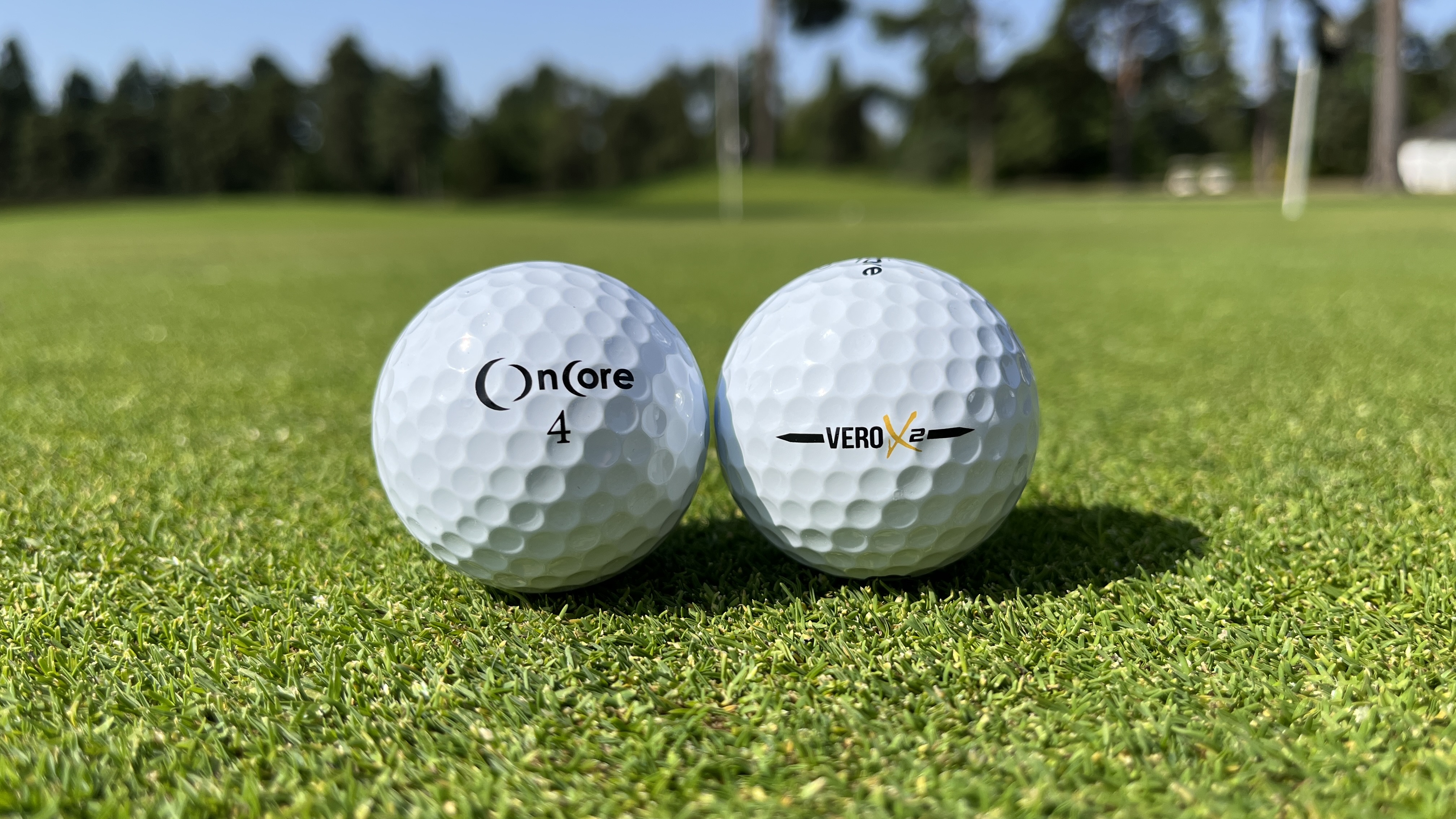
This comparison reveals the stark contrast in spin rates between cheap and premium options, showing exactly what you’re paying for in real-world testing.
Swing Speed: The Most Important Factor
Your driver swing speed is the single best predictor of whether premium balls will help your game. If you swing below 95 mph with your driver, you’re likely not compressing premium balls enough to access their full performance benefits.
Premium balls are designed to perform optimally with swing speeds above 100 mph. At those speeds, the multilayer construction and softer cores activate properly, delivering the intended launch conditions and spin characteristics. Slower swingers often see better results with lower-compression budget balls that compress more easily.
A study by MyGolfSpy found that golfers with swing speeds below 90 mph actually lost distance with premium balls compared to properly fitted budget options. The firmer construction of premium balls requires adequate clubhead speed to activate, and without it, you’re paying for performance you can’t access.
The compression rating provides a useful guideline here, similar to how choosing the right golf shaft weight and flex impacts your distance. Budget balls typically range from 40-70 compression, while premium balls sit between 80-100. Match your ball compression to your swing speed for optimal energy transfer.
Where Premium Balls Create Real Advantages
The greenside performance gap between premium and budget balls becomes undeniable for skilled players. With a 60-degree wedge from 30 yards, premium balls can spin backward or stop within a few feet. Budget balls with ionomer covers will release and roll 10-15 feet past the landing spot.
This matters most when you’re approaching firm, fast greens or facing tight pin positions. If you regularly play courses with tournament-speed greens and tucked pins, that extra control justifies the premium price. For weekend golf on softer municipal tracks with generous greens, the advantage shrinks considerably.
Premium balls also maintain their performance characteristics longer through a round. The urethane cover is more durable than ionomer against wedge grooves, so spin rates stay consistent even after multiple approach shots. Budget balls often lose their surface texture faster, leading to less predictable spin by the back nine.
Feel is another area where premium balls excel. The softer covers provide better feedback on putts and chips, helping skilled players gauge distance control more precisely. This tactile advantage becomes more valuable as your short game improves.
Understanding whether premium balls actually translate to lower scores requires looking at your entire game profile and where you tend to struggle most.
The Budget Ball Case: When Cheaper Makes Sense
If you’re losing more than three balls per round, the math is straightforward. At that rate, you’re spending $12.50 or more per round on premium balls. Budget balls cut that cost to $5 or less, making the game more affordable while you work on keeping the ball in play.
Beginners and high handicappers benefit more from the forgiveness of budget balls. The reduced spin means slices and hooks curve less dramatically, and mishits from the rough don’t balloon as much. These balls essentially have a wider margin for error built into their design.
Many budget balls also offer excellent distance for slower swing speeds. The firmer ionomer covers and low-compression cores are engineered to maximize ball speed with moderate clubhead speeds. For players focused primarily on gaining yards off the tee, these balls deliver without the premium price tag.
Consider your scoring tendencies too. If most of your dropped strokes come from tee shots, fairway accuracy, or three-putts rather than approach shot precision, a premium ball won’t address your actual needs. Fix the bigger issues first before investing in marginal greenside gains.
Testing: How to Determine Your Optimal Ball
The best way to settle this debate for your game is on-course testing. Buy a sleeve of both premium and budget balls and alternate them over several rounds. Track your performance in specific categories: driving distance, greens in regulation, scrambling percentage, and putts per round.
Pay special attention to your short game results. Are you getting noticeably closer from 100 yards and in with the premium ball? Can you stop approach shots on firm greens when you couldn’t before? If you don’t see meaningful improvements in these areas, you have your answer.
Launch monitor testing provides valuable data but doesn’t tell the complete story. A fitting session at a golf shop or simulator facility can reveal spin rates and launch angles, helping you understand the performance differences objectively. However, on-course feel and confidence matter too, and those only come from playing the balls in real situations.
Keep notes about specific shots where ball performance made a difference. If you can identify five or more shots per round where the premium ball clearly helped, that’s roughly two strokes saved, potentially justifying the cost. If those moments are rare, stick with budget options.

Get the Edge on Every Tournament
AI-powered predictions, data-driven analysis, and expert picks delivered before every PGA Tour event.
Try Golf Agent ProThe Middle Ground: Tour-Level Balls Without the Premium Price
Several manufacturers now offer balls that split the difference in both performance and price. The Titleist Tour Speed, Srixon Q-Star Tour, and Callaway Chrome Soft X LS deliver urethane covers and multilayer construction for $35-40 per dozen.
These balls provide 70-80% of premium ball performance at 60-70% of the cost. For improving players who want greenside spin but balk at $50 per dozen, this category represents excellent value. The slightly firmer feel and reduced spin compared to true tour balls can actually benefit players still working on consistency.
Previous generation tour balls also offer a smart compromise, much like exploring preowned golf clubs for value. When manufacturers release new versions, last year’s premium balls often drop to $35-40 per dozen. A one-year-old Pro V1 or TP5 still outperforms most budget balls and costs significantly less than current models.
Buying in bulk or taking advantage of sales stretches your budget further. Many retailers offer buy-two-get-one-free deals or holiday discounts that drop premium balls to $35-40 per dozen. If you find a ball you like, stocking up during sales makes premium options more accessible.
After a full year of testing, seeing which premium balls consistently perform best helps narrow your choices if you decide the investment makes sense for your game.
Matching Ball to Course Conditions
Your home course characteristics should influence your ball choice as much as your swing does. If you play mostly firm, fast conditions with tight fairways and slick greens, premium ball control becomes more valuable. Softer courses with receptive greens and wider landing areas diminish the premium ball advantage.
Consider the typical pin positions too. Courses with severe undulation and tucked pins reward precise distance control and spin. Flatter courses with generous pin placements don’t demand the same level of precision, making budget balls entirely adequate.
Wind plays a role as well. In consistently windy conditions, the lower spin of budget balls can actually help by reducing ballooning and maintaining a more penetrating trajectory. Premium balls’ higher spin rates can be a disadvantage when fighting 20 mph winds.
Playing multiple courses with varying conditions might justify carrying both ball types. Use premium balls for your tougher tracks and budget options for easier layouts. This strategy maximizes value while ensuring you have appropriate equipment for each challenge.
Making Your Decision: A Practical Framework
Start by honestly assessing three factors: your swing speed, your typical score, and your budget. If you swing under 95 mph and shoot over 95, budget balls are almost certainly your best choice. Save that money for lessons or range time that will actually lower your scores.
Players swinging 95-105 mph and shooting 80-95 fall into the gray area where testing becomes essential. You’re skilled enough to potentially benefit from premium performance, but the gains might not justify the cost depending on your specific weaknesses.
Advanced players with swing speeds over 105 mph who regularly break 80 will almost always benefit from premium balls. At this level, the greenside control and consistency are worth the investment because you’re skilled enough to exploit every advantage.
Remember that confidence matters too. If playing a premium ball makes you feel more confident and committed to your shots, that psychological benefit has real value. Golf is as much mental as physical, and equipment that boosts your confidence can improve performance beyond the technical specifications.
Your golf ball choice ultimately comes down to where you lose strokes and what you can afford. Premium balls deliver measurable advantages in spin, control, and feel, but those benefits only matter if they address your actual scoring problems. Most recreational golfers will see better returns from investing in lessons, practice, and course management than from spending $50 per dozen on balls.
Looking for an edge on the PGA Tour? Golf Agent Pro delivers AI-powered insights for every tournament.
Frequently Asked Questions
- What is the main difference between premium and budget golf balls?
- Premium golf balls feature multi-layer construction with urethane covers that generate 2,000-3,000 more RPMs on wedge shots, providing better spin control around the greens. Budget balls use two-piece construction with ionomer covers that produce less spin but offer straighter flight and more distance for slower swing speeds.
- Are expensive golf balls worth it for high handicappers?
- For most high handicappers, expensive golf balls are not worth it because the extra spin from premium balls can exaggerate slices and hooks. Budget balls offer straighter flight on mishits and cost less to replace when lost, which happens more frequently for higher handicap players.
- How much should I spend on a dozen golf balls?
- Your ideal golf ball budget depends on your swing speed and skill level. Players with swing speeds above 95 mph who consistently hit greens in regulation benefit from $40-50 premium balls, while those with slower speeds or higher handicaps should stick with $20-30 budget options that maximize distance and forgiveness.
- Do premium golf balls actually improve your score?
- Premium golf balls only improve scores for skilled players who can take advantage of the extra spin control around greens. If you lose more than two balls per round or have inconsistent contact, the performance benefits of premium balls won't offset their higher cost and your score is unlikely to improve.