


Choosing the right irons can drop strokes from your scorecard faster than any swing tip. But with manufacturers offering everything from super-forgiving game improvement models to sleek players distance designs, how do you know which category fits your game?
The iron market has evolved dramatically over the past decade. What used to be a simple choice between blades and cavity backs has expanded into multiple categories, each targeting specific skill levels and performance preferences. Understanding these distinctions isn’t just marketing speak - it directly impacts how many greens you’ll hit and how close you’ll get to the pin.
Understanding Game Improvement Irons
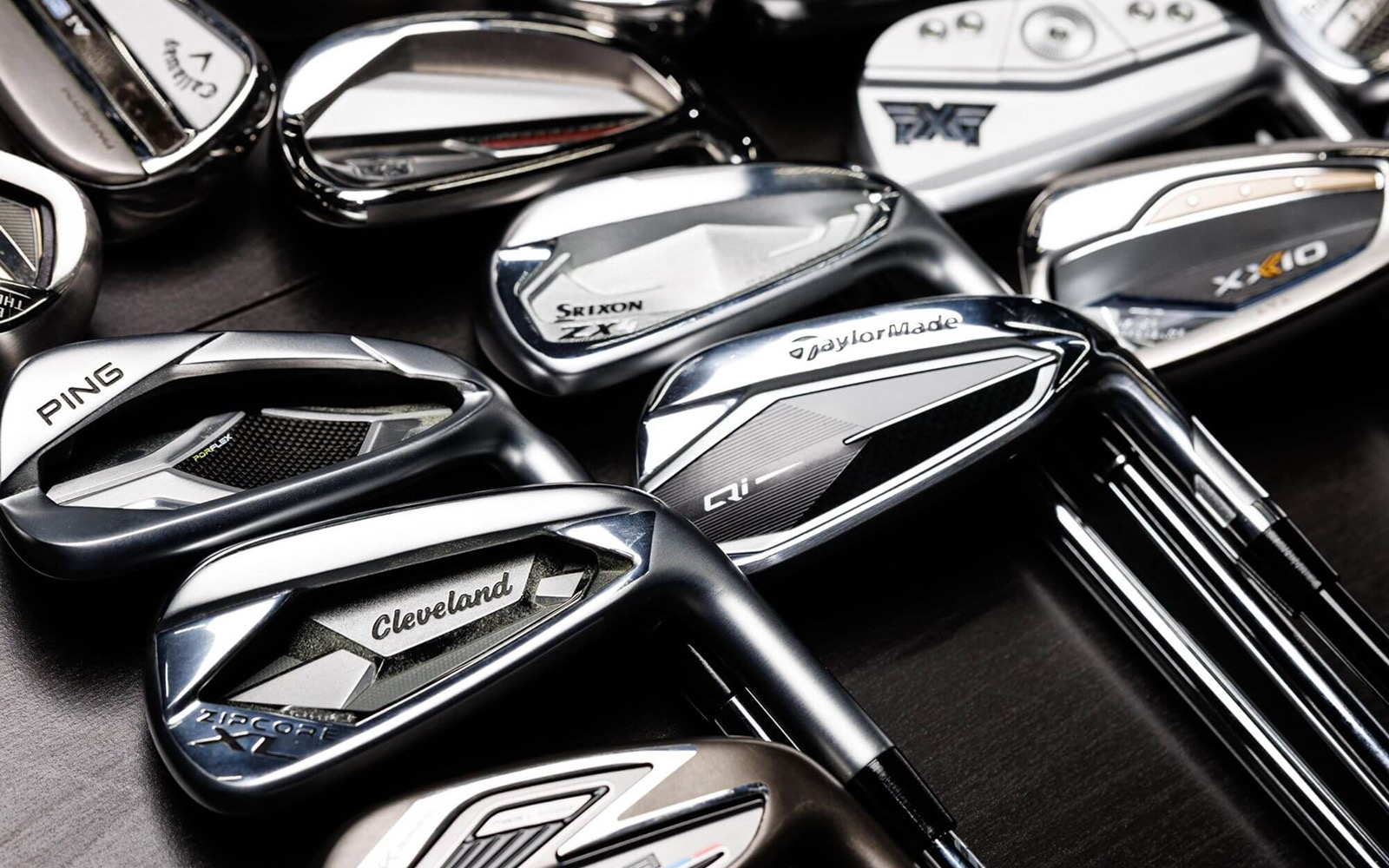
Game improvement irons prioritize forgiveness above all else. These clubs feature larger clubheads, thicker toplines, and wider soles designed to help you make solid contact even when you miss the sweet spot. The average game improvement iron has a clubhead that’s 15-20% larger than a traditional players iron.
Modern game improvement designs typically include perimeter weighting, where mass is distributed around the edges of the clubhead. This increases the moment of inertia (MOI), which means off-center hits lose less ball speed and maintain better accuracy. Testing shows that a shot struck half an inch from the sweet spot on a high-MOI iron can carry 85-90% of the distance of a pure strike, compared to just 70-75% with a blade.
Most game improvement irons also incorporate stronger lofts to boost distance. A modern 7-iron might have 28-30 degrees of loft, compared to the traditional 34-35 degrees. This means you’ll hit your 7-iron farther, though you’re essentially hitting what used to be a 6-iron.
The video above breaks down exactly who benefits most from game improvement technology and when these clubs might actually hold you back.
What Makes Players Distance Irons Different
Players distance irons occupy the middle ground between game improvement clubs and traditional players irons. They offer meaningful forgiveness but package it in a more compact, better-looking design. These irons typically appeal to golfers with single-digit handicaps or those transitioning from game improvement models.
The key difference lies in clubhead size and offset. Players distance irons feature smaller profiles with thinner toplines and less offset than game improvement models. This gives better players more visual confidence at address and improved workability for shaping shots. The average blade length on a players distance 7-iron measures about 3 inches, compared to 3.3-3.5 inches for game improvement designs.
Players distance irons still incorporate modern technology like tungsten weighting, hollow-body construction, and thin faces for distance. However, the center of gravity positioning differs, sitting slightly higher to produce a more penetrating ball flight with less spin. Data from launch monitor testing shows these irons typically spin 500-800 RPM less than game improvement equivalents with the same loft.
The Forgiveness Factor
Forgiveness isn’t just about maintaining distance on mishits. It also affects dispersion patterns, which matter more for your scoring than raw yardage. Research from golf equipment labs shows that game improvement irons reduce lateral dispersion by 30-40% compared to players irons when struck off-center.
Here’s what that looks like in practical terms. With a players iron, a toe strike might finish 15-20 yards offline. That same strike with a game improvement iron typically lands 10-12 yards offline. Over an 18-hole round where you hit 10-12 approach shots, that difference determines whether you’re putting for birdie or scrambling from the rough.
The forgiveness advantage extends to different types of mishits. Game improvement irons with wide soles help golfers who tend to hit behind the ball, as the sole bounces through turf more easily. Players distance irons with tighter sole widths work better for ball-first contact but punish fat shots more severely.
This comparison demonstrates the real-world performance differences you’ll see between these two iron categories on the course.
Distance and Trajectory Considerations
Both iron categories deliver impressive distance, but they achieve it differently. Game improvement irons rely heavily on strong lofts, low centers of gravity, and high launch characteristics. This creates a higher, more carrying ball flight that stops quickly on greens.
Players distance irons generate distance through a combination of ball speed technology and more efficient launch conditions. The lower-spinning, penetrating flight works better in windy conditions and produces more rollout after landing. Tour players using players distance irons average 5-7 yards less carry than with game improvement models but similar total distance once you factor in roll.
Your swing speed plays a crucial role in which design works best, and understanding golf shaft weight and flex can significantly impact your results. Golfers swinging a 7-iron below 80 mph benefit more from the high launch and spin of game improvement irons. Those swinging 85 mph or faster often prefer the flatter, more controlled trajectory of players distance designs.
Workability and Shot Shaping
Shot shaping ability differs significantly between these categories. Players distance irons allow you to manipulate ball flight by adjusting face angle, path, and strike location. The shorter blade length and reduced offset make it easier to open or close the clubface for intentional fades and draws.
Game improvement irons resist shot shaping by design. The perimeter weighting and draw-biased construction help straighten out wayward swings, but they also limit your ability to curve the ball on command. If you’re working on developing shot-shaping skills, this resistance can feel restrictive.
That said, most amateur golfers overestimate how often they need to shape shots. On a typical course, playing a consistent, predictable ball flight matters more than being able to work the ball both ways. Game improvement irons excel at producing that repeatable flight pattern.
Feel and Feedback Differences
Feel remains one of the most subjective yet important considerations. Players distance irons typically provide more feedback at impact, allowing you to sense exactly where the ball contacted the face. This information helps better players make micro-adjustments to their swing.
Game improvement irons prioritize a solid, powerful feel over nuanced feedback. The increased vibration dampening and larger sweet spot create a sensation of consistency, even when contact quality varies. Some accomplished players find this lack of feedback makes it harder to diagnose swing issues.
Modern manufacturing has narrowed the feel gap considerably. Premium game improvement irons from major manufacturers now offer surprisingly good feedback while maintaining forgiveness benefits. The difference in feel between categories is smaller than ever before.
Understanding how feel and performance intersect helps you make a more informed decision about which iron type suits your priorities.

Get the Edge on Every Tournament
AI-powered predictions, data-driven analysis, and expert picks delivered before every PGA Tour event.
Try Golf Agent ProMatching Irons to Your Handicap
Your handicap provides a useful starting point for iron selection, though it shouldn’t be your only consideration. Golfers with handicaps above 15 almost universally benefit from game improvement designs. The forgiveness advantage translates directly to lower scores and more enjoyable rounds.
Mid-handicappers (10-15) represent the toughest decision point. If you’re improving rapidly and have aspirations of reaching single digits, players distance irons might accelerate your development. However, if your handicap has plateaued, the added forgiveness of game improvement models could help you break through to the next level.
Single-digit handicappers often prefer players distance irons, though not always. Some low-handicap golfers prioritize consistency over workability and stick with game improvement designs. Your ball-striking quality matters more than your scoring average when selecting irons.
Testing and Fitting Recommendations
Never choose irons based on marketing claims or brand loyalty alone. A proper fitting session on a launch monitor reveals exactly how different models perform with your swing. Pay attention to dispersion patterns, not just longest carry distances.
During testing, focus on strikes across the entire face. Hit five shots from the toe, five from the heel, and ten from the center. The mishit performance often matters more than pure strike results. Game improvement irons should show tighter groupings on off-center contact.
Consider testing in conditions similar to your typical playing environment. If you play on firm, fast courses, you’ll want to see how each iron type performs with different trajectories and landing angles. Softer courses might favor the higher-launching game improvement designs.
Making Your Final Decision
The choice between game improvement irons vs players distance ultimately depends on honest self-assessment. Track your rounds for a month and note how many greens you hit, where your misses land, and what your typical miss pattern looks like. If you’re regularly missing greens by 20+ yards, forgiveness should be your priority.
Consider your practice habits and improvement trajectory. Golfers who practice 2-3 times per week with structured training plans might outgrow game improvement irons within a season or two. Weekend-only players often maximize their scoring potential by staying with maximum forgiveness designs longer.
Budget matters too, and exploring the best preowned golf clubs from previous model years offer exceptional value, with technology that rivals current releases. Players distance irons depreciate similarly, allowing you to test premium designs without premium prices.
Your iron selection should inspire confidence and help you play your best golf today while supporting your goals for tomorrow. There’s no shame in choosing maximum forgiveness - the goal is shooting lower scores, not impressing your playing partners with your equipment choices.
Looking for an edge on the PGA Tour? Golf Agent Pro delivers AI-powered insights for every tournament.
Frequently Asked Questions
- What is the difference between game improvement irons and players distance irons?
- Game improvement irons prioritize maximum forgiveness with larger clubheads, thicker toplines, and higher MOI for off-center hits. Players distance irons offer a blend of distance and workability with smaller clubheads, thinner toplines, and more feedback, designed for better ball strikers who want some forgiveness without sacrificing control.
- What handicap should use game improvement irons?
- Game improvement irons are best suited for golfers with handicaps of 15 and above, though many players in the 10-15 range also benefit from them. If you struggle with consistent contact or frequently miss the sweet spot, game improvement irons will help you hit more greens regardless of your official handicap.
- Do players distance irons go farther than game improvement irons?
- Players distance irons and game improvement irons produce similar total distances due to strong lofts in both categories. The difference is in how they achieve distance - players irons rely more on ball speed from pure strikes, while game improvement irons maintain distance even on mishits through higher MOI and offset designs.
- Can a mid handicapper use players distance irons?
- Yes, mid handicappers (roughly 8-15 handicap) who make consistent center contact can benefit from players distance irons. These clubs offer enough forgiveness for occasional mishits while providing better feel, shot shaping ability, and distance control that skilled ball strikers prefer over bulkier game improvement designs.