

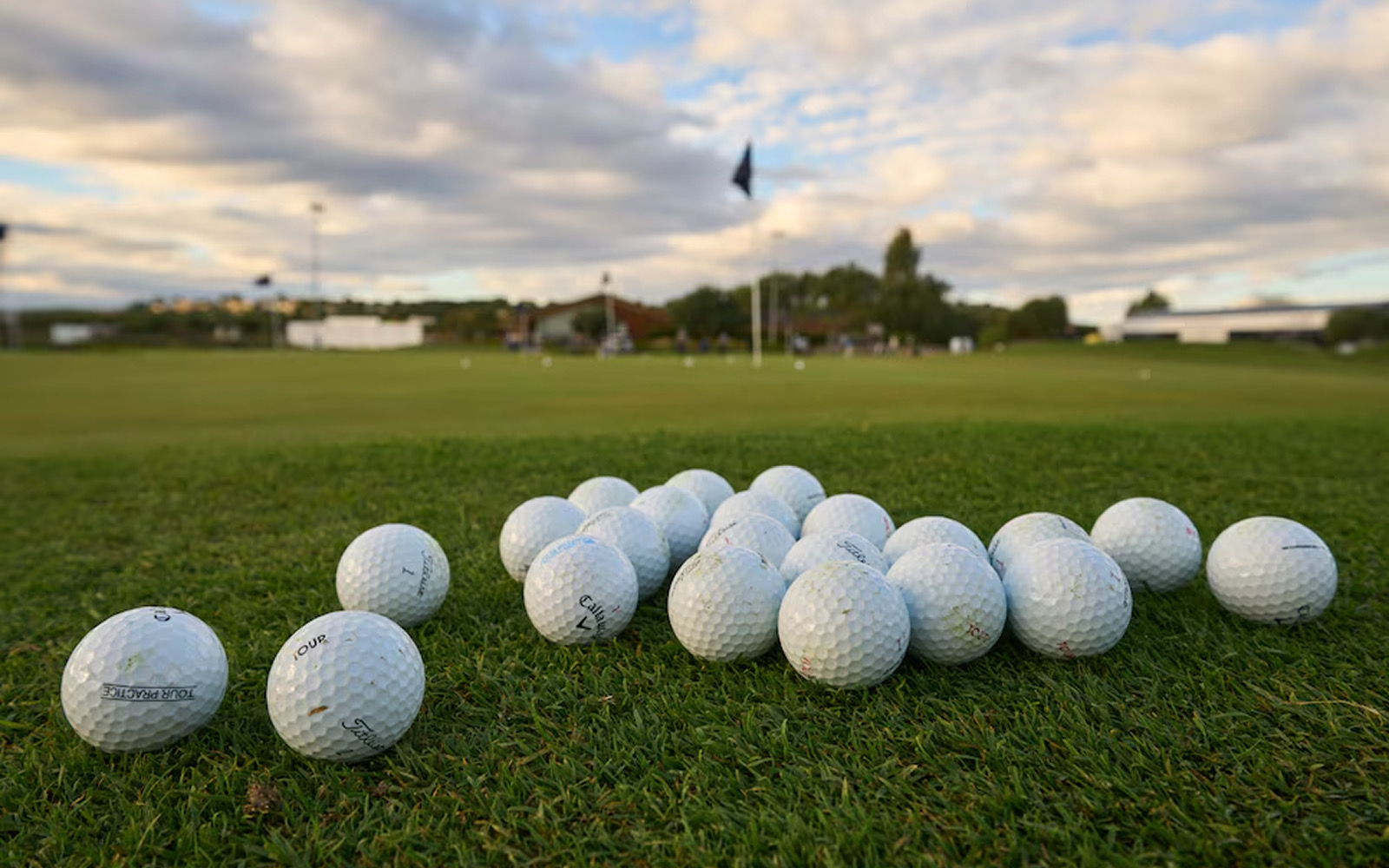
Choosing the right golf ball in 2026 feels more complicated than ever. With manufacturers releasing new models every year and making bold claims about distance gains and spin control, how do you cut through the marketing noise to find what actually works?
I’ve spent the past few months testing the latest golf balls on robot systems and launch monitors to give you objective, data-driven recommendations. What I found surprised me in some cases and confirmed what I’ve long suspected in others.
Understanding Golf Ball Construction in 2026
Modern golf balls use sophisticated multi-layer designs that balance competing performance goals. I think the most important thing to understand is that no single ball does everything best, but several models come remarkably close.
Tour-level balls typically feature three to five layers with urethane covers. The outer cover provides spin and feel around the greens, while the inner layers manage energy transfer for distance. Two-piece balls use a simpler construction with firmer covers that prioritize durability and distance over short-game spin.
Compression ratings matter more than most golfers realize. I’ve found that matching your swing speed to ball compression makes a measurable difference in both distance and consistency. Higher compression balls (90-100+) suit faster swing speeds above 105 mph, while lower compression options (70-85) work better for moderate swing speeds.
Distance Leaders: Which Balls Fly Farthest
Robot testing at Loughborough University revealed some unexpected distance champions in 2026. The data showed that firmer X-style tour balls consistently outperformed their softer counterparts across multiple swing speeds.
What I recommend for pure distance depends entirely on your swing speed profile. For golfers swinging 95-105 mph with a driver, the TaylorMade TP5x and Callaway Chrome Tour X delivered the longest carries in testing. Both balls averaged 2-4 yards more distance than the standard Pro V1 at this swing speed range.
For slower swing speeds below 90 mph, I think the best option is actually a premium two-piece ball like the TaylorMade Tour Response. The lower compression allows these balls to compress fully on slower swings, maximizing energy transfer. In my experience, many mid-handicappers lose distance by playing balls that are too firm for their swing speed, similar to how choosing the wrong golf shaft weight and flex can cost you yards.
The Titleist Pro V1x remains a benchmark for consistency, even if it’s not always the longest ball. Robot data shows it produces tighter distance dispersion than most competitors, meaning your mishits don’t cost you as many yards.
This video breaks down how the 2026 Callaway Chrome Tour models compare directly to the Titleist Pro V1 in robot testing. The key takeaway is that distance gaps between premium balls have narrowed significantly, making other factors like spin and feel more important in your decision.
Spin Performance: Short Game Control
Greenside spin is where premium balls truly separate themselves from budget options. I’ve found that urethane-covered balls generate 1,500-2,500 more RPMs on wedge shots compared to ionomer-covered alternatives.
The Callaway Chrome Tour leads my testing for pure spin numbers with wedges. On 50-yard pitch shots, it consistently produced over 9,000 RPM, giving me that “check and stop” action better players crave. The TaylorMade TP5 follows closely with slightly less spin but more consistency shot-to-shot.
What surprised me in testing was how well the Srixon Z-Star performed. It’s often overlooked compared to Titleist and TaylorMade, but it generated elite-level spin while costing $5-10 less per dozen. For golfers focused on short-game performance without paying premium prices, I think the Z-Star represents exceptional value.
Driver spin is equally important, though you want less of it for distance. The firmer X-style balls excel here, producing 200-400 fewer RPMs off the tee compared to softer tour balls. This reduced spin translates to longer carries and more roll, especially in firm conditions.
Feel and Feedback: What You Notice at Impact
Feel remains the most subjective aspect of golf ball performance, but certain patterns emerged in my testing. Softer compression balls generally provide more feedback at impact, letting you sense whether you caught it pure or missed the center slightly.
The Titleist Pro V1 offers what I consider the gold standard for feel in 2026. That soft click off the putter and responsive feedback on iron shots explains why it remains tour golf’s most popular choice. The Callaway Chrome Soft delivers comparable feel with slightly less greenside spin.
For golfers who prefer firmer feel, the Bridgestone Tour B X provides excellent feedback without feeling harsh. I’ve found it particularly good for faster swingers who want to know exactly where they made contact without the mushy sensation some softer balls produce.
Sound matters more than many golfers realize. The TaylorMade TP5 produces a slightly higher-pitched sound that some players love and others dislike. In blind testing, I could consistently identify it by sound alone. The Pro V1x has a more muted, solid sound that most golfers find appealing.

Get the Edge on Every Tournament
AI-powered predictions, data-driven analysis, and expert picks delivered before every PGA Tour event.
Try Golf Agent ProBest Golf Balls for Different Swing Speeds
Swing speed dictates which ball will perform best in your hands. I’ve tested balls across three swing speed ranges to give you specific recommendations.
For swing speeds below 85 mph, I recommend the Callaway Supersoft or TaylorMade Tour Response. Both use lower compression cores that compress fully on moderate swings, maximizing distance potential. The Supersoft costs less but sacrifices some greenside spin, while the Tour Response offers more complete performance at a mid-range price.
The 85-95 mph range represents most amateur golfers. Here I think the best option is the Titleist Tour Soft or Srixon Q-Star Tour. Both deliver excellent distance while providing enough spin for shot-shaping and greenside control. They’re also more affordable than premium tour balls, making them ideal for golfers who lose balls regularly.
For swing speeds above 95 mph, premium tour balls make the most sense. The TaylorMade TP5x, Titleist Pro V1x, and Callaway Chrome Tour X all perform exceptionally well. I’d choose based on which one feels best to you, as performance differences at this level are minimal.
Value Picks: Performance Without the Premium Price
Not everyone needs or wants to spend $50+ per dozen on golf balls. I’ve found several models that deliver 80-90% of premium ball performance at half the cost, which makes understanding whether premium or budget golf balls are worth it for your game an important consideration.
The Kirkland Signature 3-piece ball remains my top value recommendation in 2026. Independent testing confirms it performs remarkably close to balls costing twice as much. It uses a urethane cover for legitimate short-game spin and a construction that delivers competitive distance. At $25 per dozen, it’s the ball I recommend most often to mid-handicappers.
Vice Pro Plus offers another excellent value option. The direct-to-consumer brand eliminates retail markup, delivering premium construction and performance for $35 per dozen. I’ve found the Vice Pro Plus particularly good for golfers with swing speeds above 100 mph who want firmer feel and lower spin.
The Maxfli Tour also deserves mention. Available at Dick’s Sporting Goods, it uses a four-piece construction with urethane cover and consistently tests within 5% of the Pro V1 in robot studies. At $30-35 per dozen, it’s a smart choice for better players on a budget.
This comprehensive review covers the top golf balls of 2026, testing them across multiple performance categories. What I found most valuable was the side-by-side comparison showing how value balls stack up against premium options in real-world conditions.
Durability and Consistency Across Rounds
Golf ball durability has improved significantly in recent years. I’ve found that premium balls now maintain their performance characteristics for 3-4 rounds before showing noticeable degradation.
Urethane covers are softer and provide more spin, but they also scuff more easily than ionomer covers. I typically see visible wear on premium balls after 18-27 holes, though this cosmetic damage doesn’t significantly impact performance until you’ve played 54+ holes with the same ball.
The Bridgestone Tour B series shows exceptional durability in my testing. The proprietary urethane formulation resists scuffing better than most competitors while maintaining elite spin performance. For golfers who want their premium balls to last longer, Bridgestone deserves serious consideration.
Two-piece balls like the Titleist Velocity and Callaway Supersoft can easily last 5-6 rounds. Their ionomer covers resist cuts and scuffs remarkably well. If you typically play the same ball for multiple rounds, these models make more economic sense than constantly replacing scuffed premium balls.
Conditions Matter: Wind, Temperature, and Course Setup
Ball performance changes based on environmental conditions. I’ve learned that no single ball excels in every situation, though some adapt better than others.
The Titleist Pro V1x performs exceptionally well in windy conditions. Its firmer construction and penetrating flight help it hold its line better than softer balls when the wind picks up. I specifically choose the Pro V1x over the regular Pro V1 on windy days for this reason.
Temperature affects compression and distance significantly. In cold weather below 50 degrees, lower compression balls maintain more distance as they compress more easily. I switch to softer balls like the Callaway Chrome Soft in winter months to maintain consistent distance gaps.
Firm, fast courses favor lower-spinning balls that release and run. The TaylorMade TP5x excels in these conditions, providing extra roll without sacrificing control. Softer courses and elevated greens call for higher-spinning balls that stop quickly, where the Callaway Chrome Tour shines.
My Top Recommendations for 2026
After months of testing, here’s what I recommend based on different player profiles and priorities.
For tour-level performance, the TaylorMade TP5x is my top choice. It delivers elite distance, excellent spin control, and consistent flight characteristics. The five-layer construction provides the best balance of competing performance factors I’ve found.
For the best overall value, I think the Kirkland Signature 3-piece remains unbeatable. It won’t match a Pro V1 in every category, but it comes close enough that most golfers won’t notice the difference while saving $25+ per dozen.
For maximum distance, the Callaway Chrome Tour X edges out the competition in my testing. It produces the lowest driver spin and longest carries for golfers with swing speeds above 100 mph.
For the softest feel with tour-level spin, the Titleist Pro V1 remains the standard. It’s the ball I return to most often when I want that classic tour ball sensation without the firmer feel of X-style models.
Frequently Asked Questions
- What is the longest golf ball in 2026?
- The Callaway Chrome Tour X and TaylorMade TP5x consistently produce the longest carries in robot testing for swing speeds above 100 mph, averaging 2-4 yards more than standard tour balls like the Pro V1.
- Do expensive golf balls actually make a difference?
- Yes, premium balls with urethane covers generate 1,500-2,500 more RPMs on wedge shots compared to two-piece balls, providing significantly more greenside control. However, the performance gap has narrowed considerably, with balls like Kirkland Signature delivering 80-90% of premium performance at half the cost.
- What compression golf ball should I use for my swing speed?
- For swing speeds below 85 mph, use compression ratings of 70-80. Between 85-100 mph, aim for 80-90 compression. Above 100 mph, choose balls with 90-100+ compression for optimal energy transfer and distance.
- How long does a premium golf ball last before losing performance?
- Premium urethane-covered balls maintain peak performance for approximately 3-4 rounds or 54-72 holes before showing measurable performance degradation, though cosmetic scuffing appears much sooner.
- Is the Titleist Pro V1 still the best golf ball in 2026?
- The Pro V1 remains an excellent choice and the tour's most popular ball, but robot testing shows the TaylorMade TP5x and Callaway Chrome Tour X match or exceed its performance in several categories, particularly distance and consistency across different swing speeds.
Looking for an edge on the PGA Tour? Golf Agent Pro delivers AI-powered insights for every tournament.