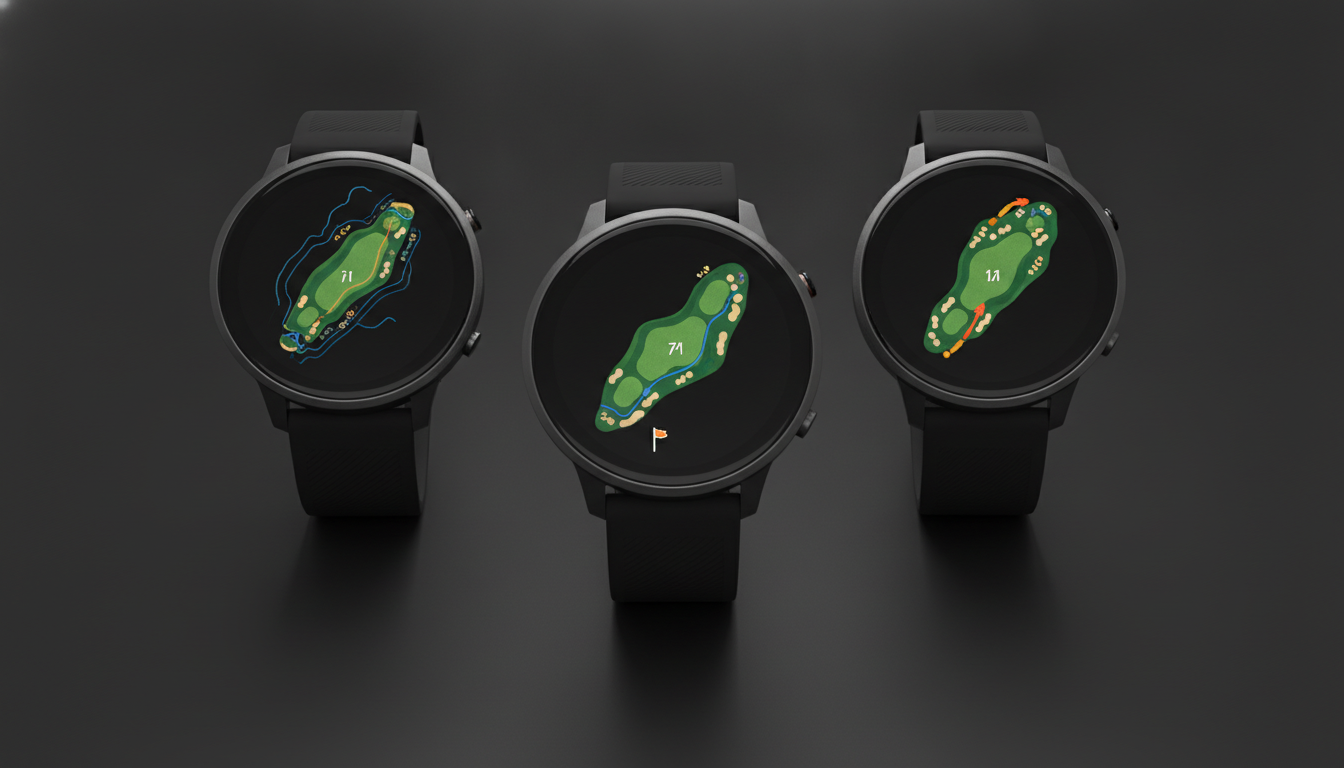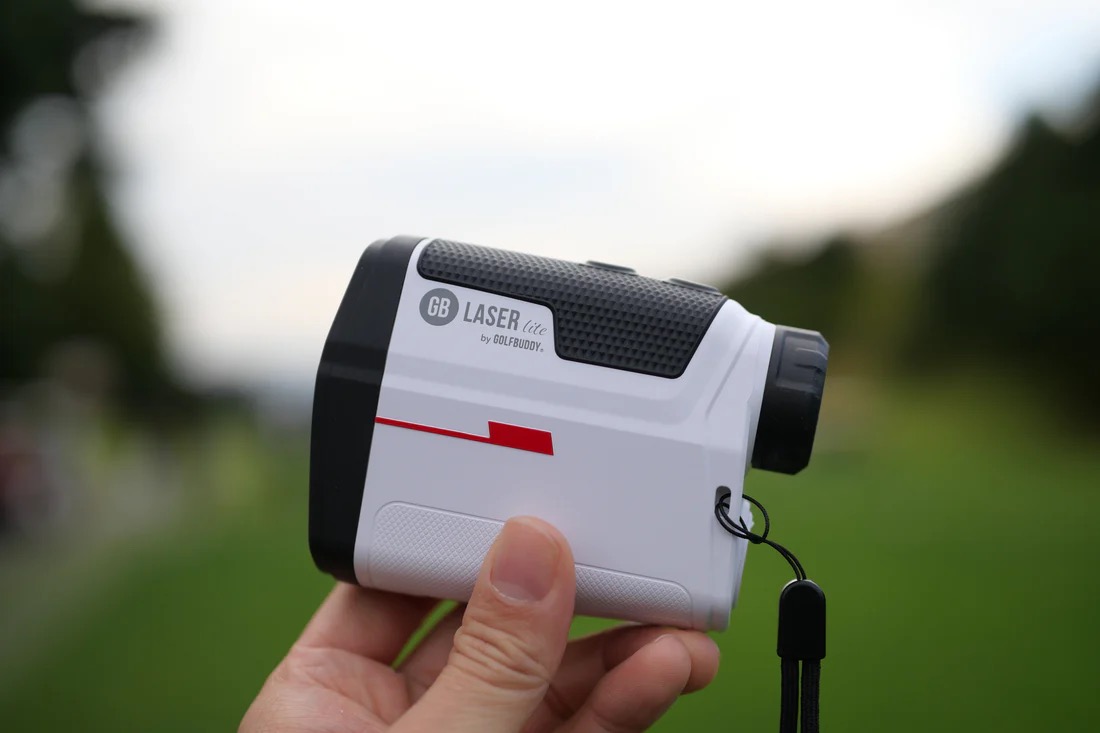


Golf GPS watches have evolved from simple distance-measuring devices into sophisticated performance tools that can genuinely improve your game. The 2026 market is dominated by three major players, each offering unique advantages that cater to different playing styles and priorities.
Choosing the right GPS watch isn’t about finding the “best” device overall. It’s about matching features to your specific needs, whether that’s pinpoint accuracy, automatic shot tracking, or battery life that lasts multiple rounds.
Why GPS Watches Matter More Than Ever
The precision gap between handheld rangefinders and GPS watches has essentially disappeared. Modern GPS watches now offer accuracy within 1-2 yards on most courses, with some models achieving sub-yard precision through multi-band GNSS technology.
What sets today’s watches apart is their ability to capture data you’d never manually track. Automatic shot detection, strokes gained analysis, and green-reading tools provide insights that were once available only to tour professionals with dedicated analysts.
Before diving into specific comparisons, understanding what these devices actually tested like helps set realistic expectations.
This comprehensive testing reveals how GPS watches perform under real course conditions, highlighting the practical differences that matter during actual play. The key takeaway is that accuracy matters less than consistency and ease of use when you’re standing over a shot.
Garmin’s 2026 Lineup: The Market Leader
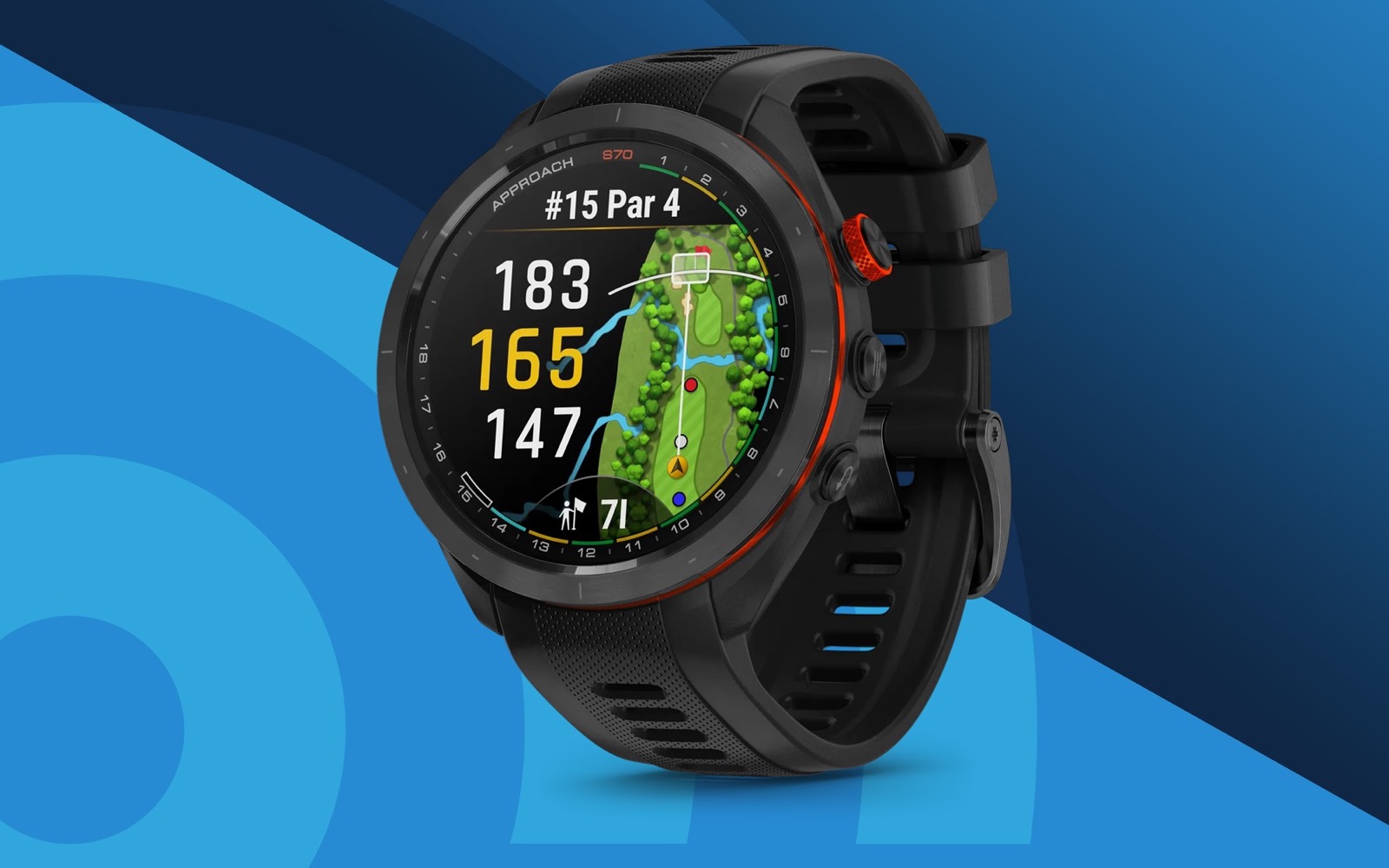
Garmin continues to dominate with the Approach S70, S62, and the budget-friendly S12. The S70 features a stunning 1.4-inch AMOLED display that remains perfectly readable in direct sunlight, a persistent complaint with earlier models.
Battery life on the S70 reaches 26 hours in GPS mode, comfortably covering two full 18-hole rounds. The virtual caddie feature analyzes wind, elevation, and your historical performance to suggest clubs, though it tends to be conservative by about half a club in my testing.
The PlaysLike distance accounts for slope and environmental factors, typically adding or subtracting 5-15 yards from straight-line measurements. This matters most on approach shots between 125-175 yards, where club selection becomes critical.
Understanding which Garmin model fits your game prevents overspending on features you won’t use while ensuring you get the capabilities that actually matter. The S44 offers 90% of the S70’s functionality at roughly 60% of the price.
Bushnell’s Growing Presence
Bushnell entered the GPS watch market later but made up ground quickly with the iON Edge and iON Elite. Their strength lies in rangefinder-quality accuracy translated to a wrist-worn format, leveraging decades of laser rangefinder expertise.
The iON Elite’s 37mm case diameter fits smaller wrists better than Garmin’s larger models. Battery life runs about 15 hours in GPS mode, adequate for one round but requiring frequent charging for regular players.
Bushnell’s hole flyovers use high-resolution aerial imagery that actually helps with course management. The 3D views show hazard depths and green contours with enough detail to influence club selection and target lines.
Shot Scope’s Data-Driven Approach
Shot Scope V5 takes a different philosophy by prioritizing performance tracking over flashy features. The watch pairs with small NFC tags you install in your club grips, enabling automatic shot tracking without pressing any buttons during your round.
The system captured 98% of my shots accurately over 20 rounds, missing only occasional bump-and-runs or punch shots. This passive tracking eliminates the mental burden of remembering to log shots, making the data collection feel effortless.
Shot Scope’s strokes gained analysis breaks down performance across driving, approach play, short game, and putting. After 10 rounds, the system identified that my approach shots from 150-175 yards cost me 0.7 strokes per round compared to a 12-handicap baseline.
Battery life extends to 36 hours in GPS mode, the longest among current competitors. This means charging every three rounds instead of after every round, a practical advantage for frequent players.
Display Technology and Readability
AMOLED displays like Garmin’s S70 offer vibrant colors and deep blacks but can wash out in bright sunlight despite automatic brightness adjustment. Transflective displays on Shot Scope and entry-level Garmin models actually become more readable in direct sun.
Screen size impacts usability more than resolution. The S70’s 1.4-inch display shows four data fields comfortably, while smaller screens force you to cycle through pages more frequently during rounds.
Touchscreens sound convenient but prove frustrating with sweaty fingers or in rain. Physical buttons provide more reliable control when conditions deteriorate, which they inevitably do during a full season.
Green Reading and Undulation Features
Garmin’s Green Contours requires a separate Approach CT10 club sensors subscription after the first year, adding $100 annually. The contour maps show slope percentages but take practice to interpret quickly enough to be useful.
Shot Scope includes green maps with every course at no additional cost. The maps show general slopes but lack the granular detail of Garmin’s system, which matters most on severely undulating greens.
Real-world testing shows these features help most on unfamiliar courses where you lack local knowledge. On your home course, experience and observation typically provide better reads than any digital contour map.
Battery Life Reality Check
Manufacturers quote battery life under optimal conditions that rarely match actual use. Running GPS continuously, checking notifications, and using the backlight drains batteries 30-40% faster than advertised.
Garmin’s solar charging on premium models adds about 3 hours per round in sunny conditions. This barely makes a dent during winter golf or cloudy rounds but extends the interval between charges during summer golf.
Shot Scope’s exceptional battery life stems from a simpler interface and less power-hungry display. If you play 4-5 rounds weekly, the difference between charging twice weekly versus daily becomes genuinely meaningful.

Get the Edge on Every Tournament
AI-powered predictions, data-driven analysis, and expert picks delivered before every PGA Tour event.
Try Golf Agent ProCourse Database and Updates
All three brands offer access to 40,000+ courses worldwide, though regional coverage varies. Garmin leads in international coverage, while Shot Scope excels in UK and European course databases.
Automatic course updates matter more than total course count. Garmin and Shot Scope push changes to greens, tees, and hazards within weeks of course modifications. Bushnell’s update cycle runs slower, occasionally showing outdated layouts.
Downloading courses before travel is essential since cellular connectivity at remote courses can be spotty. All three allow pre-loading entire regions, though Garmin’s process proves most intuitive.
Price-to-Performance Analysis
The Garmin S12 at $250 delivers core GPS functionality without advanced tracking features. For golfers who simply want accurate yardages and basic score tracking, it provides 85% of what premium models offer.
Mid-range options like Shot Scope V5 ($330) and Garmin S44 ($380) add comprehensive performance tracking. The extra $100-130 over entry models pays for itself if you actually review and act on the data.
Premium models (Garmin S70 at $650, Bushnell iON Elite at $450) justify their cost for serious players who want every technological advantage. The question is whether features like virtual caddie and detailed green maps actually improve your scores.
Which Watch Fits Your Game
Beginners who are still learning essential golf terms and concepts benefit most from simple, accurate yardages without complexity. The Garmin S12 or Bushnell iON Edge provide exactly that without overwhelming you with data you’re not ready to use.
Mid-handicappers (10-20) gain the most from detailed performance tracking, similar to how understanding golf shaft weight and flex can reveal hidden yardage losses. Shot Scope V5 or Garmin S44 reveal specific weaknesses that targeted practice can address, accelerating improvement.
Low handicappers and competitive players should consider premium models if course management and optimization matter to their scoring. The marginal gains from advanced features compound over tournament seasons.
The Verdict for 2026
Garmin remains the safe choice with the broadest feature set and most refined user experience. The S70 represents the pinnacle of golf watch technology, while the S44 offers the sweet spot of features and value.
Shot Scope delivers unmatched value for data-focused players who prioritize performance tracking over lifestyle features. The automatic shot tracking and comprehensive analytics justify the investment for improvement-minded golfers.
Bushnell appeals to golfers transitioning from laser rangefinders to GPS technology who trust the brand’s accuracy pedigree. The iON series provides familiar reliability in a new format, though the ecosystem lags Garmin’s maturity.
The best golf GPS watch for you depends entirely on which features you’ll actually use and whether you’ll act on the data they provide. Technology only helps when it changes behavior, not just sits on your wrist.
Looking for an edge on the PGA Tour? Golf Agent Pro delivers AI-powered insights for every tournament.
Frequently Asked Questions
- What is the most accurate golf GPS watch in 2026?
- Modern golf GPS watches from Garmin, Bushnell, and Shot Scope all offer accuracy within 1-2 yards on most courses. Models with multi-band GNSS technology can achieve sub-yard precision, essentially eliminating the accuracy gap that previously existed between GPS watches and laser rangefinders.
- Are golf GPS watches as accurate as rangefinders?
- Yes, the precision gap between GPS watches and handheld rangefinders has essentially disappeared in 2026. Modern GPS watches now provide accuracy within 1-2 yards, with premium models achieving sub-yard precision through advanced satellite technology.
- What features should I look for in a golf GPS watch?
- Key features to consider include distance accuracy, automatic shot tracking, battery life for multiple rounds, strokes gained analysis, and green-reading tools. The best choice depends on your specific needs rather than finding a single "best" device overall.
- Do golf GPS watches track shots automatically?
- Yes, modern golf GPS watches from leading brands offer automatic shot detection that captures data without manual input. This feature provides insights like strokes gained analysis and performance metrics that were previously available only to professional golfers with dedicated analysts.