


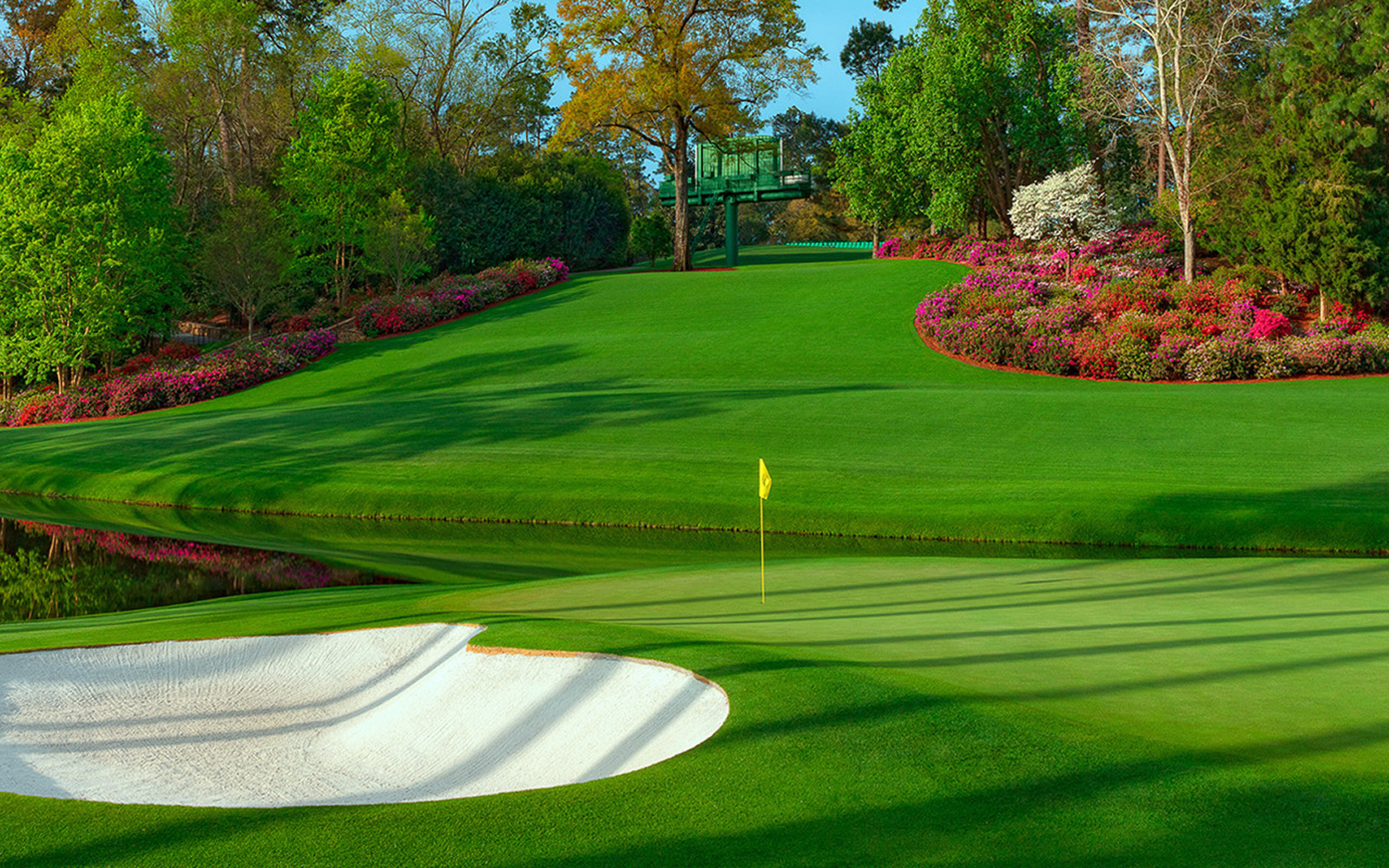
I’ve been fortunate to study Augusta National Golf Club for years, and I’m convinced there’s no course in the world that commands the same reverence. Every April, the world’s best players navigate these hallowed grounds, but the course itself is the real star. From Bobby Jones’ original vision to the countless tweaks that keep it relevant, Augusta National represents the pinnacle of golf course design and tournament tradition.
The course plays at approximately 7,555 yards from the championship tees with a par of 72. What makes it special isn’t just the length, though. It’s the strategic brilliance woven into every hole, the psychological warfare the layout wages on players, and the fact that every shot matters in ways few other courses can replicate.
The Origins and Design Philosophy
Augusta National opened in 1934, the brainchild of Bobby Jones and architect Alister MacKenzie. Jones, arguably the greatest amateur golfer ever, wanted a course that rewarded strategic thinking over pure power. MacKenzie, fresh off designing Cypress Point, brought his characteristic flair for using natural terrain to create strategic dilemmas.
The property started life as Fruitland Nurseries, and you can still see that heritage in the flowering plants that give each hole its name. What I find fascinating is that Jones and MacKenzie built the course with relatively few bunkers, relying instead on slopes, elevation changes, and green contours to create difficulty. The greens themselves are the real defense, with some of the most dramatic undulations you’ll find anywhere.
The original design has evolved significantly. Over the past 20 years, Augusta National has added over 500 yards to combat modern equipment and maintain the test Jones envisioned. In 2026, the 17th hole was lengthened from 440 to 450 yards, the latest in a series of adjustments that keep the course challenging for today’s bombers.
This video from the Masters gives you a detailed look at the iconic clubhouse and its place in Augusta National’s storied history.
Breaking Down Amen Corner
No discussion of Augusta National is complete without diving into Amen Corner, golf’s most famous three-hole stretch. The term was coined by Herbert Warren Wind in a 1958 Sports Illustrated article, and it encompasses the second shot of the 11th hole, the entirety of the 12th, and the tee shot and approach on the 13th.
The par-4 11th, called White Dogwood, plays 520 yards and features one of the most intimidating approach shots in golf. The green is protected by a pond on the left, and the wrong miss can lead to disaster. I think what makes this hole brilliant is how it sets up the psychological battle for what comes next.
The 12th hole, Golden Bell, is a 155-yard par-3 that looks simple but plays devilishly hard. Wind swirls unpredictably here, making club selection a guessing game even for the best players. The green is narrow and shallow, with Rae’s Creek in front and bunkers behind. I’ve watched countless Masters, and this hole produces more drama per yard than any other I know.
Then comes the 13th, Azalea, a 510-yard par-5 that tempts players to go for the green in two around a dogleg that bends left through pine trees. Rae’s Creek guards the front of the green, creating a classic risk-reward scenario. Should you lay up or take on the water? That decision has decided multiple green jackets.
The Front Nine: Setting the Table
The opening stretch at Augusta National doesn’t grab headlines like Amen Corner, but it’s crucial for building momentum. The 1st hole, Tea Olive, is a 455-yard par-4 that immediately puts pressure on your tee ball. The fairway slopes right-to-left, and missing in the wrong spot makes the approach nearly impossible.
I recommend players focus on rhythm early. The 2nd hole, Pink Dogwood, is a 575-yard par-5 that’s reachable in two for long hitters. The green is protected by a massive bunker front-right, but an aggressive play here can jump-start a round with an early birdie or eagle.
The par-4 3rd hole, Flowering Peach, at 350 yards, is one of the shortest par-4s on tour but demands precision. The green sits on a plateau, and anything short or long faces a brutal recovery. The 4th, Flowering Crab Apple, is a 240-yard par-3 that tests nerve and execution with bunkers left and a severe falloff right.
This breakdown of the 1st hole shows exactly how Augusta National sets the tone from the opening tee shot.
The Back Nine Gauntlet
If Amen Corner (holes 11-13) is the heart of Augusta National, the back nine is where champions separate themselves. After surviving those three holes, players face the 440-yard par-4 14th, Chinese Fir, where the approach must carry a false front to a green that repels anything not perfectly struck.
The par-5 15th, Firethorn, at 550 yards, offers another eagle opportunity, but the pond fronting the green has swallowed countless hopes. I think the key here is landing your second shot in the right spot on the green because three-putting from the wrong tier is almost guaranteed.
The par-3 16th, Redbud, plays 170 yards and might be the most exciting short hole in golf. The green slopes dramatically from back to front, and balls often trickle down toward the hole, creating those iconic Sunday moments where the crowd erupts.
The final two holes are no cakewalk either. The 17th now plays 450 yards uphill, and the 18th, Holly, at 465 yards, climbs back to the clubhouse with bunkers both sides of the fairway. These closing holes have produced both coronations and collapses.

Get the Edge on Every Tournament
AI-powered predictions, data-driven analysis, and expert picks delivered before every PGA Tour event.
Try Golf Agent ProCourse Conditions and Maintenance
Augusta National’s course conditions are legendary, and for good reason. The grounds crew, led by a superintendent who remains purposefully anonymous, maintains standards that other courses can only dream of achieving. The fairways are mowed in one direction, creating that distinctive striped look you see on television.
The greens run at speeds that would terrify most weekend golfers, often measuring 13 or higher on the Stimpmeter during tournament week. What I find remarkable is how consistent they keep everything despite hosting thousands of patrons during Masters week. The sub-air system beneath the greens allows them to control moisture levels precisely, ensuring perfect conditions regardless of weather.
The azaleas, dogwoods, and other flowering plants create a visual spectacle, but they also serve strategic purposes. The tree lines define playing corridors and influence wind patterns. Augusta National constantly evaluates its tree coverage, removing or adding specimens to maintain the intended shot values for each hole.
Exclusive Access and Membership
Playing Augusta National remains one of golf’s most exclusive privileges. The membership roster hovers around 300 individuals, and the club doesn’t publish a list of members. I can tell you that membership is by invitation only, and the waiting list is long and secretive.
Green fees for members are surprisingly reasonable by elite club standards, reportedly in the low hundreds for a round. But gaining access as a non-member is nearly impossible unless you’re invited by a member. Even tour professionals who’ve won the Masters multiple times can’t just show up and play.
The club did recently announce a partnership to renovate Augusta Municipal Golf Course, nicknamed “The Patch,” with weekday rates starting at just $25. This represents Augusta National’s commitment to growing the game locally while maintaining its own exclusivity.
Modern Adaptations and Future Changes
Augusta National has never been afraid to evolve. The club’s philosophy centers on preserving Bobby Jones’ strategic vision while adapting to modern equipment and athlete capabilities. The recent lengthening of the 17th hole follows a pattern we’ve seen for decades.
What I appreciate most is how they make changes that matter. They don’t just add length randomly. When they moved the 11th tee back significantly in the early 2000s, it restored the hole’s strategic intent. When they purchased land to lengthen the 13th, they did it to maintain the risk-reward balance that makes the hole special.
The course will continue changing because that’s what keeps it relevant. I expect we’ll see continued adjustments to tee boxes, bunker positions, and possibly green complexes in coming years. The goal will always be the same: test the world’s best players while honoring the original design principles, as we’ll see again when the Masters 2026 betting preview unfolds in April.
Frequently Asked Questions
- How long is Augusta National Golf Club from the Masters tees?
- Augusta National plays approximately 7,555 yards from the championship tees used during the Masters Tournament, with a par of 72.
- Who designed Augusta National Golf Club?
- Alister MacKenzie designed Augusta National in collaboration with Bobby Jones. The course opened in 1934 and has been modified numerous times since.
- What holes make up Amen Corner at Augusta National?
- Amen Corner consists of the 11th, 12th, and 13th holes. More precisely, it includes the approach shot on 11, all of the par-3 12th, and the tee shot and approach on the par-5 13th.
- Can the public play Augusta National Golf Club?
- No, Augusta National is a private club. Access requires a member invitation, and the club maintains one of the most exclusive memberships in golf with approximately 300 members.
- How much does Augusta National membership cost?
- Augusta National doesn't publicly disclose membership costs, but initiation fees are reportedly in the tens of thousands of dollars range, with annual dues several thousand more. Membership is by invitation only.
Looking for an edge on the PGA Tour? Golf Agent Pro delivers AI-powered insights for every tournament.