
The 2026 Truist Championship arrives with a forecast that will separate pretenders from contenders faster than any course setup could. Thursday’s 30mph gusts and Friday’s rain-soaked conditions at Quail Hollow Club create the most legitimate weather edge I’ve seen all season. When wind and water dominate, players with links experience and international pedigrees suddenly become value plays the market hasn’t properly priced.
I think this week rewards the sharp bettor who looks beyond recent American form and focuses on who handles misery best. The DataGolf model predictions align with what the weather data is screaming - this tournament belongs to players comfortable in brutal conditions, similar to how course history matters in golf betting when identifying edges.
Tournament Overview
The Truist Championship returns to Quail Hollow Club in Charlotte, a venue steeped in major championship pedigree after hosting the 2017 PGA Championship. This elevated event carries significant FedExCup points and a purse that attracts elite international talent. Sepp Straka won last year’s edition at The Philadelphia Cricket Club with a 16-under 264 total, finishing ahead of Justin Thomas and Shane Lowry in a tightly contested finale.
This year’s field features three of the world’s top ten players, with Rory McIlroy, Xander Schauffele, and Ludvig Aberg headlining a strong international contingent. The tournament sits perfectly positioned in early May, giving players a crucial test before summer’s major championships while the course presents in pristine condition.
Course Breakdown
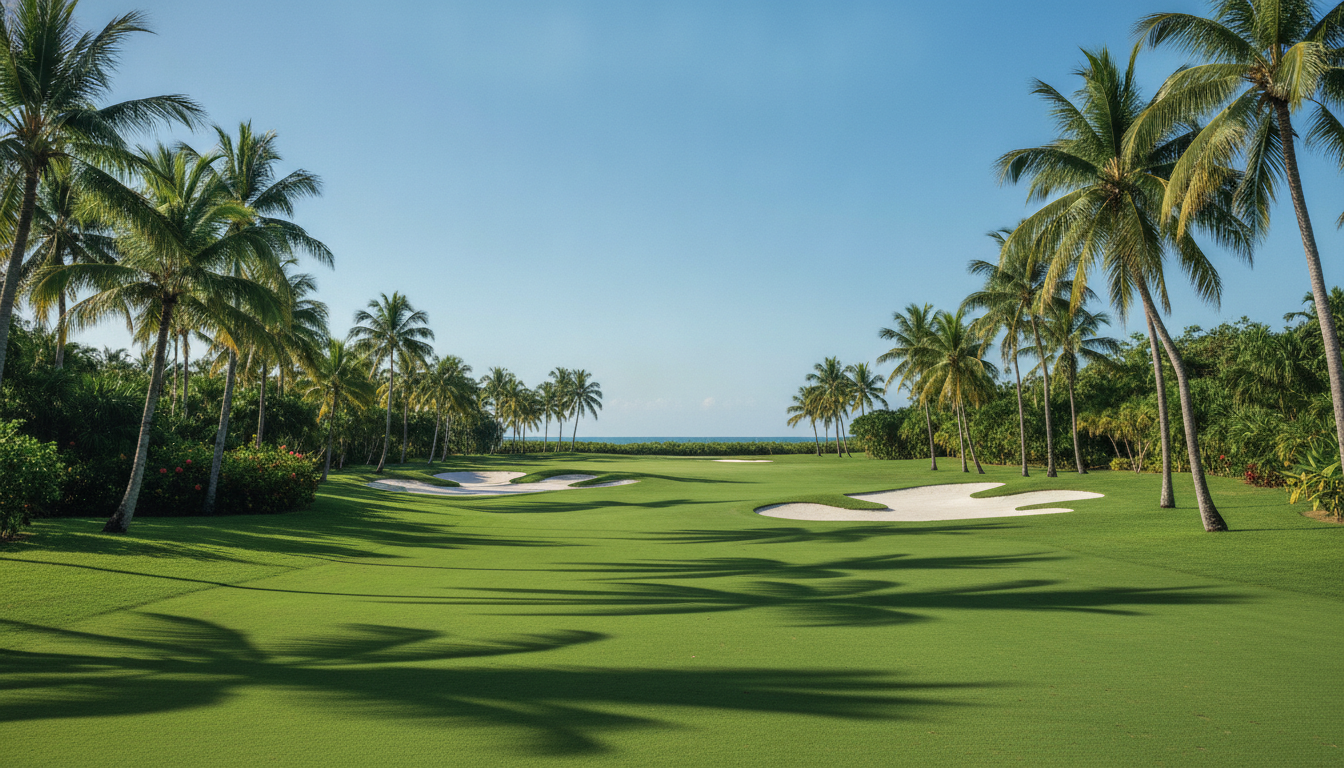
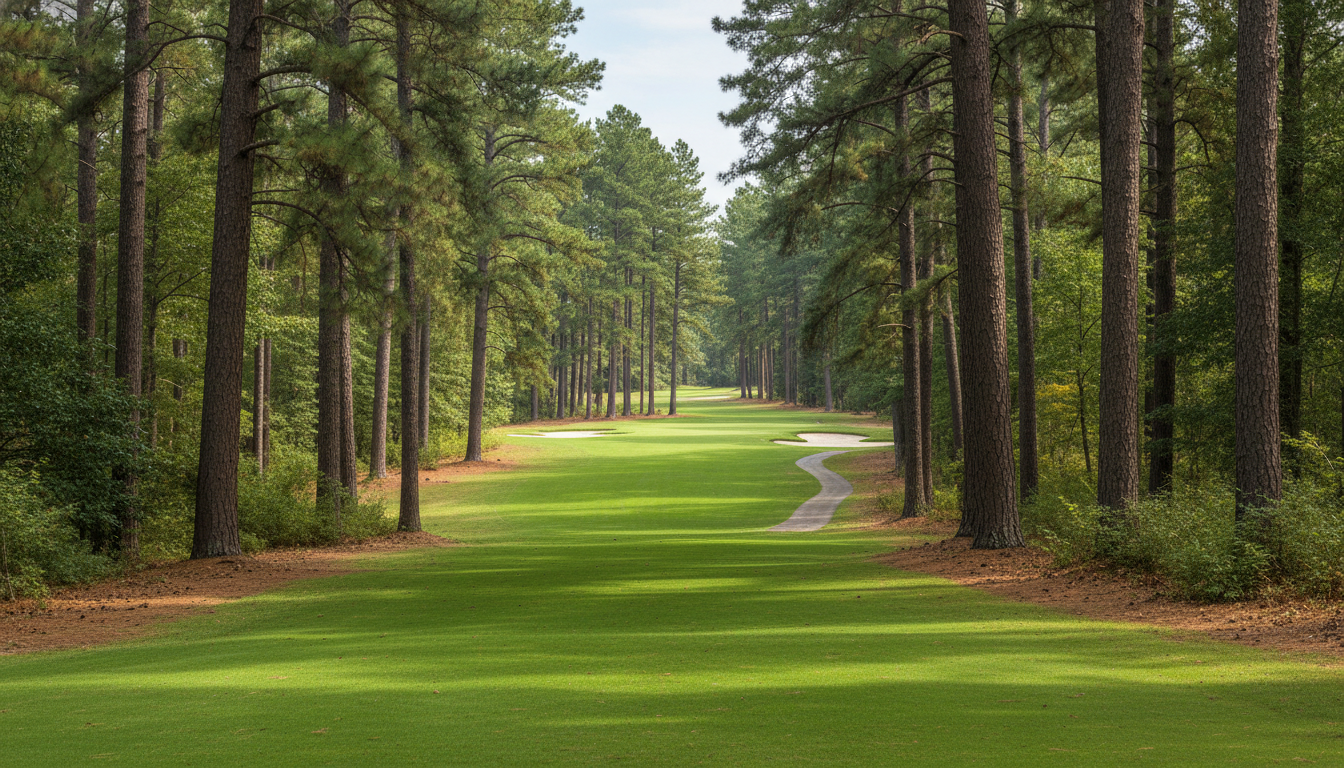
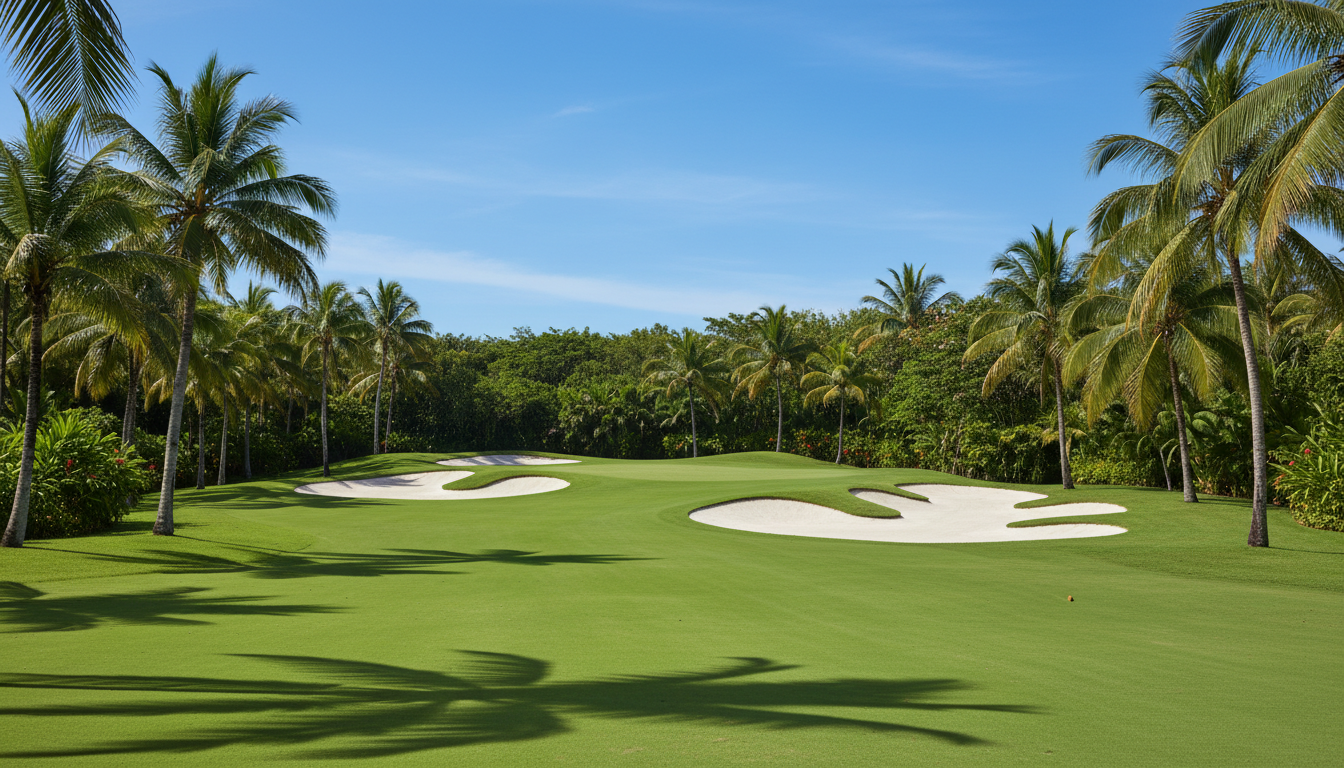
Quail Hollow Club stretches to 7,200 yards and demands respect from every player in the field. The bermuda greens feature significant grain that punishes tentative putting strokes, while the thick rough swallows anything more than five yards off the fairway centerline. I found that approach shots in the 150-175 yard range define success here - players who excel with mid-irons separate themselves quickly.
This breakdown from CBS Sports shows exactly why Quail Hollow’s finishing stretch creates drama - strategic water hazards lurk on multiple closing holes where aggressive play gets rewarded or punished severely.
The course features a par 71 layout with four par 5s that theoretically offer birdie opportunities, but the combination of length and strategic bunkering means only elite ball-strikers consistently capitalize. What stands out to me is how the bermuda putting surfaces reward confident strokes - players who grew up on poa annua greens often struggle with the firmer, grainier texture here.
The 18th hole alone ranks among the most difficult finishing holes on tour, playing as a 490-yard par 4 with water down the entire left side and a narrow, undulating green protected by multiple bunkers. When Sunday pressure arrives, this hole produces carnage and champions in equal measure.
Players to Watch
Rory McIlroy arrives at +600 on DraftKings and represents the chalk play for good reason - his course history shows a +0.36 strokes gained advantage at Quail Hollow, and the DataGolf model predicts he’ll gain +2.62 strokes per round this week. McIlroy’s recent Masters win and Genesis Invitational runner-up finish demonstrate elite current form, while his driving distance ranks 4th on tour at 320+ yards. What separates him this week is his international background - growing up in Northern Ireland means Thursday and Friday’s brutal conditions replicate exactly what he learned on.
Cameron Young sits at +930 on DraftKings with recent wins at both the Cadillac Championship and Players Championship showing peak form. His +0.71 strokes gained approach play ranks among tour leaders, and the DataGolf model projects him at +1115 to win versus +930 market odds. Young’s 315+ yard driving distance and clutch putting under pressure make him dangerous, though I question whether he has the wind experience to match the European contingent when conditions turn nasty Thursday and Friday.
Matt Fitzpatrick at +1650 on DraftKings deserves serious attention as a value play. His elite iron accuracy ranks 2nd in strokes gained approach this season at +0.77 per round, and growing up in England means he’s faced these exact conditions thousands of times. The course fit analysis shows him gaining +2.01 strokes per round with a +0.05 course-specific advantage, and what I like most is his proven major championship pedigree - when conditions get tough, Fitzpatrick thrives.

Get the Edge on Every Tournament
AI-powered predictions, data-driven analysis, and expert picks delivered before every PGA Tour event.
Try Golf Agent ProTommy Fleetwood represents the biggest value angle I found this week at +2300 on DraftKings. The DataGolf model projects him at +3390 to win, suggesting the market has properly priced his baseline skill level, but what the model can’t fully capture is how English players dominate when American courses play like British Opens. Fleetwood’s +0.52 strokes gained approach and +0.28 putting average combine with elite wind management skills learned on links courses. His +0.11 course history advantage at Quail Hollow confirms he understands this venue.
Ludvig Aberg sits at +1650 on DraftKings with all-around excellence that shows no major weaknesses in his game. His recent form includes multiple top-10 finishes, and his +0.68 strokes gained approach play matches up perfectly with Quail Hollow’s mid-iron demands. What concerns me slightly is his -0.04 course history number, suggesting he hasn’t quite figured out Quail Hollow’s nuances yet.
Si Woo Kim at +2400 on DraftKings offers intriguing value with +0.83 strokes gained approach play ranking among the field’s best. His recent Phoenix Open and Sony Open victories show renewed confidence, though his -0.03 putting average raises concerns on Quail Hollow’s tricky bermuda greens. The DataGolf model projects him at +2630 versus +2400 market odds, suggesting slight value.
Robert MacIntyre deserves special mention at +3600 on DraftKings as a potential breakthrough candidate. The Scottish player’s +0.63 strokes gained putting leads the field, and growing up on windswept Scottish courses gives him a massive edge Thursday and Friday. His +0.02 course fit and -0.02 course history suggest neutral feelings about Quail Hollow, but I think the weather forecast transforms him into a legitimate sleeper play the market is undervaluing. When conditions mirror Scotland in May, MacIntyre becomes extremely dangerous.
Weather Outlook
Thursday presents the week’s most challenging conditions with temperatures reaching 82°F and wind gusts hitting 30mph. These aren’t gentle breezes - they’re approach-shot-destroying gusts that turn 165-yard shots into 150 or 180-yard guessing games. Players will struggle to hold greens, and scoring averages should balloon to +1 or +2 for the day. I expect half the field to shoot themselves out of contention Thursday alone.
Friday brings the knockout punch with 140% precipitation probability and sustained winds of 8-27mph gusts. Rain-soaked fairways eliminate roll, making Quail Hollow’s 7,200 yards play even longer, while wet greens turn receptive but putting surfaces become unpredictable. The combination of rain and wind creates havoc - this is where the tournament gets decided. Players who survive Friday at even par or better position themselves perfectly for the weekend.
CBS Sports’ preview highlights how dramatically conditions impact Quail Hollow’s strategic options and why Friday’s weather creates separation.
Saturday offers dramatic relief with calm 4-17mph winds and zero precipitation. The forecast shows 69°F temperatures and low challenge level conditions, meaning players who made the cut can finally attack. I expect Saturday scoring averages around 3-4 under par as soft greens allow aggressive approach play and the calm conditions reward precision.
Sunday brings moderate 7-20mph winds with 79°F temperatures and minimal 6% precipitation chance. These conditions favor confident putters on the now-dried bermuda surfaces, and I think Sunday produces a shootout between survivors who capitalized Saturday and remained patient Friday.
Betting Landscape
The DraftKings odds board shows Rory McIlroy as the clear favorite at +600, with FanDuel offering slightly better value at +550. McIlroy’s combination of recent form, course history, and weather advantage justifies the short price, though I question whether there’s actual value at those numbers given how severely Thursday and Friday conditions could derail anyone’s week.
Cameron Young sits at +930 on DraftKings versus +950 on FanDuel, with the DataGolf model suggesting he’s actually a value play at +1115 fair odds. Young’s elite form and ball-striking prowess make him dangerous, though I worry his lack of international weather experience becomes a liability when conditions turn brutal.
Xander Schauffele presents at +1125 on DraftKings with elite iron accuracy that ranks 2nd in the field at +1.00 strokes gained approach. The DataGolf model projects him at +1440 fair odds, suggesting slight value at current prices. His proven major championship experience and tactical awareness make him a solid play, though his putting average of just +0.25 concerns me on Quail Hollow’s tricky greens.
The mid-tier odds from +2000-4000 contain serious value if you identify the right weather horses. Matt Fitzpatrick at +1650 on DraftKings and Tommy Fleetwood at +2300 on DraftKings both represent legitimate edges given their international backgrounds and proven ability in harsh conditions. Robert MacIntyre at +3600 on DraftKings offers even more upside if you believe Thursday-Friday weather creates chaos.
What stands out to me scanning the odds board is how American players dominate the betting favorites despite a forecast that screams European advantage. The market hasn’t properly adjusted for weather impact, creating legitimate value on players with links experience and international pedigrees, which is where understanding golf odds and their formats becomes crucial for bettors. This is where sharp bettors find edges - when external factors like weather aren’t fully priced into odds.
What to Watch For
The Thursday-Friday survival test will define this tournament more than any weekend heroics. I’ll be watching which players manage their emotions and expectations when conditions turn miserable - the ones who accept bogeys gracefully and avoid doubles position themselves for weekend charges. Players who grew up in harsh weather climates should demonstrate superior course management and club selection when wind gusts disrupt yardages.
Saturday’s low-scoring conditions create a completely different tournament dynamic. Players who survived at even par suddenly find themselves in contention if they post 5-6 under rounds, while Thursday-Friday leaders must maintain aggression to stay ahead. The soft greens allow attacking play, and I expect leaderboard movement unlike typical PGA Tour Sundays where leaders protect.
Quail Hollow’s closing stretch from 16-18 produces drama every year, and I think Sunday’s moderate winds make these holes playable but still dangerous. The par-3 17th with water short and the terrifying 18th with water left create final-hole theatrics that separate champions from near-misses. Players with proven major championship experience should handle the pressure better than breakthrough candidates.
The FedExCup points implications matter significantly for players on the bubble. This elevated event awards 550 points to the winner and 56 players qualify for playoffs, so a top-10 finish dramatically improves positioning heading into summer. Watch for players outside the top 50 in points taking calculated risks Saturday-Sunday to secure their postseason spot, similar to how live golf betting strategy changes as tournaments progress.
Get the Full Edge
Golf Agent Pro provides AI-powered tournament predictions, course-specific analysis, and betting recommendations for every PGA Tour event. The app uses advanced modeling to identify value plays the market underprices and helps you make smarter golf betting decisions. Golf Agent Pro gives you the complete edge from tee to green.